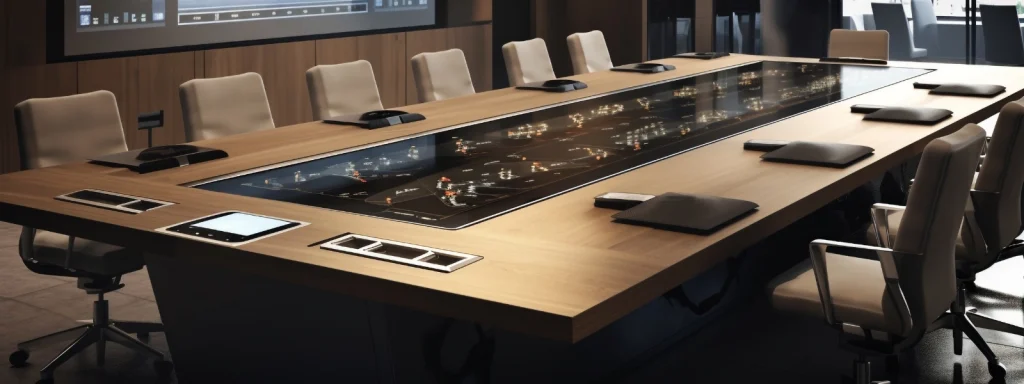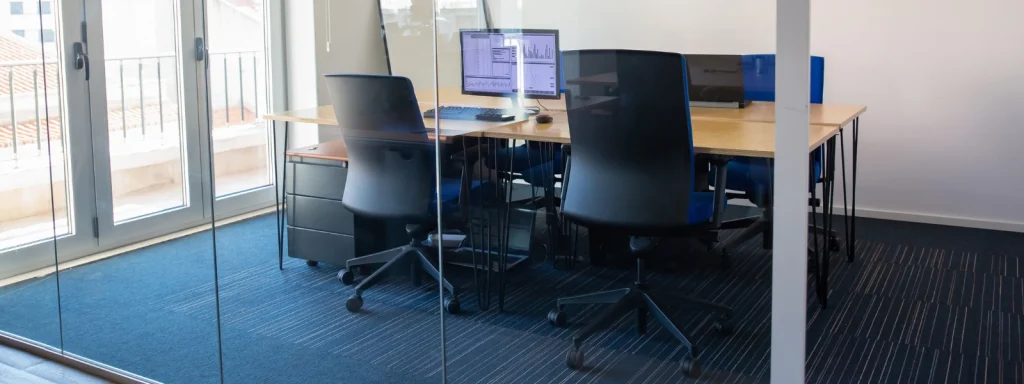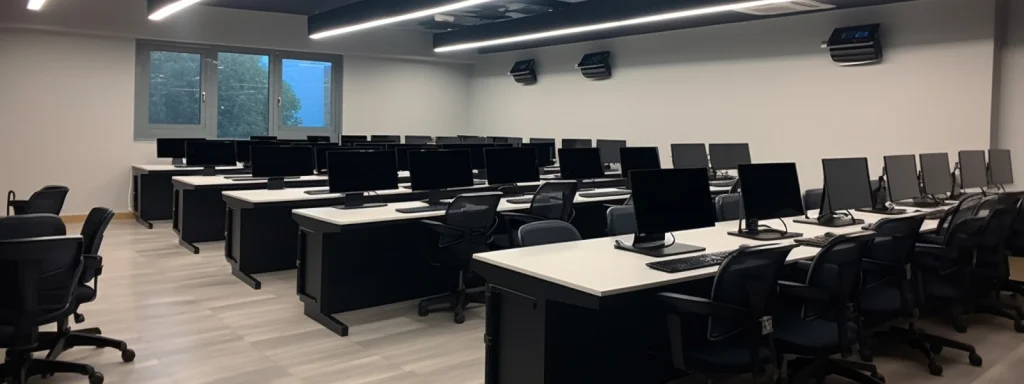
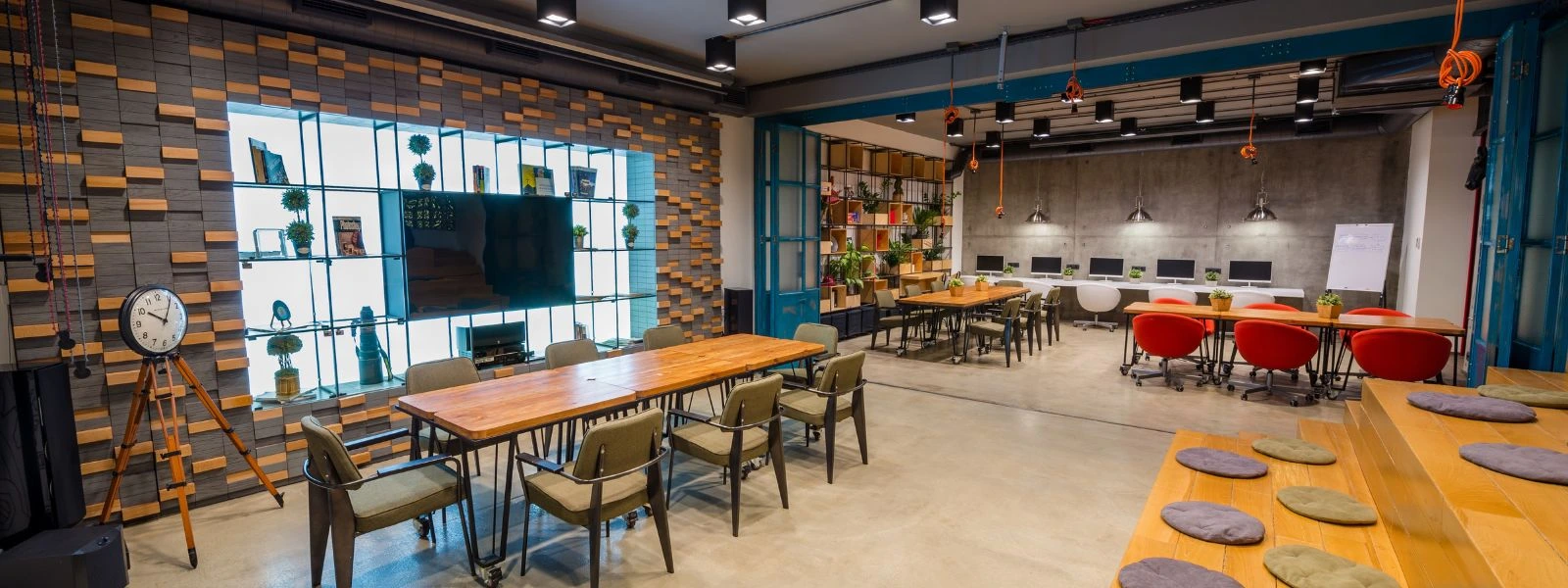
Students spend thousands of hours in classrooms throughout their education. While curriculum and teaching methods play an important role, the physical learning environment also has a significant impact on student success.
School furniture is more than desks and chairs. It influences concentration, comfort, collaboration, and classroom engagement. Modern learning spaces are designed to support different teaching methods and learning styles, helping students perform at their best.
When schools invest in quality classroom furniture, they create environments where students can focus, participate, and thrive.
Що міститься в цій статті
- How classroom furniture affects learning
- The relationship between classroom design and student success
- Modern vs. traditional school furniture
- Practical furniture selection tips
- The role of furniture in social and academic learning
- How furniture supports different learning styles
The Connection Between Classroom Furniture and Student Learning
A classroom should be a place where students feel comfortable, supported, and ready to learn. Furniture plays a major role in creating that environment.
When desks and chairs fit students properly, they are more likely to maintain good posture, stay focused, and participate in classroom activities. Poorly designed furniture can lead to discomfort, distraction, and reduced engagement.
Well-planned classroom furniture also helps teachers manage lessons more effectively by creating organized and flexible learning spaces.
How Classroom Design Influences Learning Improvement
Classroom design affects how students interact with both teachers and their peers. A well-designed classroom encourages participation, collaboration, and active learning.
Modern educational spaces often include:
- Flexible seating arrangements
- Collaborative workstations
- Mobile furniture
- Technology-friendly layouts
- Dedicated spaces for group and individual work
These features allow classrooms to adapt to different learning activities throughout the day. A thoughtful classroom layout can help improve communication, reduce distractions, and create a more positive learning experience.
The Impact of Old vs Modern Furniture on Student Engagement
Traditional classroom furniture was often designed for one teaching method: students sitting in rows facing the front of the room. Modern education requires greater flexibility.
Today’s classroom furniture is designed to support:
- Group discussions
- Project-based learning
- Independent study
- Interactive teaching methods
Modern furniture allows students to move, collaborate, and engage more naturally during lessons. As a result, students often feel more involved in the learning process.
Ways Modern Classroom Furniture Enhances Comfort for Better Focus
Comfort directly affects concentration. Students who feel uncomfortable may struggle to stay focused for long periods.
Modern classroom furniture improves comfort through:
- Ergonomic chair designs
- Adjustable desks
- Better posture support
- Flexible seating options
- Improved accessibility
When students are comfortable, they can spend more time focusing on learning instead of adjusting their seating position.
Practical Tips for Choosing the Right Modern Classroom Furniture
Selecting classroom furniture requires careful planning. Schools should consider both current needs and future flexibility.
Important factors include:
- Durability for daily use
- Ergonomic design
- Easy maintenance
- Flexibility and mobility
- Student age groups
- Classroom size and layout
Furniture should support both teaching objectives and student wellbeing. Investing in versatile furniture allows classrooms to adapt as educational needs evolve.
Why Buying Quality School Furniture (Really) Matters
Quality furniture is a long-term investment. While lower-cost options may seem attractive initially, durable furniture often provides better value over time.
High-quality furniture typically offers:
- Longer lifespan
- Better comfort
- Improved safety
- Lower maintenance costs
- Enhanced learning environments
Schools that invest in quality furniture often benefit from improved classroom experiences for both students and teachers.
K–12 Classroom Furniture: Significant Learning
For younger students, furniture plays an important role in developing learning habits.
Age-appropriate desks and chairs help children:
- Maintain focus
- Participate in classroom activities
- Develop proper posture
- Build confidence in learning environments
Flexible furniture also supports interactive teaching methods commonly used in K–12 education.
Higher-Ed Classroom Furniture: Measurable Impact
Colleges and universities require learning spaces that support collaboration, technology, and independent study.
Modern higher-education furniture helps create environments that encourage discussion, critical thinking, and active participation.
Flexible layouts also allow instructors to adapt classrooms to different teaching styles and learning objectives.
School Classroom Furniture Helps Social-Emotional Learning
Learning is not only academic. Students also develop communication, teamwork, and emotional skills throughout their education.
Modern classroom furniture can support social-emotional learning by creating spaces where students feel comfortable interacting with others.
Collaborative seating arrangements encourage:
- Teamwork
- Communication
- Problem-solving
- Relationship building
A welcoming classroom environment helps students feel more engaged and connected.
School Classroom Furniture Facilitates Academic Learning
Every student learns differently. Modern classroom furniture helps educators support multiple learning styles within the same space.
Visual Learners
Visual learners benefit from layouts that provide clear sightlines to teachers, screens, whiteboards, and educational displays.
Furniture placement can improve visibility and reduce distractions.
Auditory Learners
Auditory learners benefit from classroom layouts that support discussion and clear communication.
Proper seating arrangements help students hear teachers and classmates more effectively.
Read/Write Learners
Students who prefer reading and writing need comfortable workspaces that support note-taking, reading, and independent study.
Well-designed desks provide adequate workspace for learning materials and technology.
Kinesthetic Learners
Kinesthetic learners learn best through movement and hands-on activities.
Flexible furniture allows students to move between individual work, group collaboration, and active learning experiences more easily.
Висновок
The right school furniture does much more than fill a classroom. It supports comfort, engagement, collaboration, and academic success.
As education continues to evolve, schools need learning environments that can adapt to modern teaching methods and diverse student needs.
By investing in high-quality classroom furniture, schools create spaces where students can learn, grow, and succeed.
Ready to Create Better Learning Spaces?
Studio Office provides classroom furniture, library solutions, lecture hall seating, and educational furniture for schools, colleges, and universities across Cyprus.
Visit our showrooms in Nicosia, Limassol, and Larnaca to explore modern school furniture designed to support student success and future-ready learning environments.
Let’s create educational spaces where students can perform at their best.
Основні висновки
- Classroom furniture directly affects student comfort and engagement.
- Modern classroom design supports collaboration and active learning.
- Ergonomic furniture helps improve focus and posture.
- Quality furniture provides long-term value and durability.
- Flexible classroom layouts support different teaching methods.
- School furniture can enhance both academic and social-emotional learning.