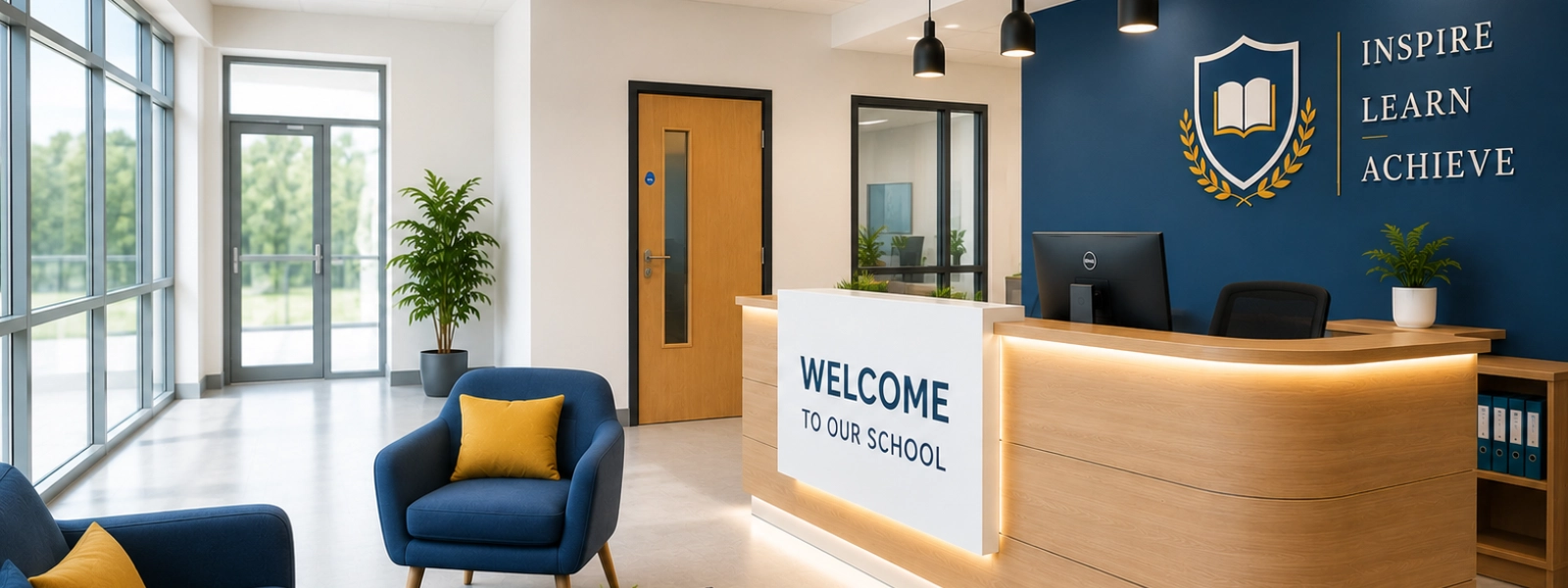
The reception area is often the first point of contact for students, parents, visitors, staff members, and prospective families entering a school. As a result, the furniture placed within this space plays a significant role in shaping first impressions, supporting daily operations, and creating a welcoming educational environment.
School reception furniture should not only reflect the institution’s professionalism but also provide comfort, safety, durability, and functionality. Whether you are furnishing a new school building or upgrading an existing reception area, selecting the right furniture can significantly improve the visitor experience and support the needs of both staff and students.
Що міститься в цій статті
In this guide, we will cover:
- Why school reception furniture matters
- Key factors to consider when selecting furniture
- Different types of reception furniture for schools
- Design and aesthetic considerations
- Durability and maintenance requirements
- Budget planning tips
- Best practices for arranging reception furniture
- Key takeaways for educational facilities
Importance of School Reception Furniture
The school reception area serves multiple purposes. It welcomes visitors, provides a waiting area for parents and guests, supports administrative staff, and often acts as a central information point.
Well-chosen reception furniture can:
- Create a positive first impression of the school
- Enhance comfort for visitors and staff
- Improve workflow and efficiency at the reception desk
- Support student and visitor safety
- Reflect the school’s values and identity
- Maximise available space and organisation
A thoughtfully designed reception area demonstrates professionalism and attention to detail while contributing to a positive school environment.
Factors to Consider When Choosing School Reception Furniture
1. Look for Suitable Furniture for the Classroom and Students
Although reception furniture primarily serves visitors and administrative staff, schools should also consider the needs of students who may frequently visit the reception area.
Furniture should be suitable for a range of users, including:
- Students of different age groups
- Parents and guardians
- School staff
- Visitors and contractors
- Individuals with accessibility requirements
When selecting seating and tables, consider the average age and needs of users. Schools may benefit from incorporating child-friendly seating alongside standard reception furniture to accommodate younger students.
It is also important to ensure furniture complements the overall educational environment and aligns with the school’s design standards.
2. Always Consider Safety and Health
Safety should be a top priority in any educational setting.
Reception furniture should:
- Have rounded corners where possible
- Be stable and resistant to tipping
- Meet relevant safety standards
- Avoid sharp edges and exposed hardware
- Provide adequate ergonomic support
Reception staff often spend long periods seated or standing at workstations. Ergonomic desks and chairs can help reduce strain, improve comfort, and support long-term wellbeing.
Accessibility should also be considered. Furniture layouts should accommodate wheelchair users and ensure clear pathways throughout the reception area.
3. School Furniture Should Contribute to Comfort
Comfort plays an important role in creating a welcoming atmosphere.
Parents attending meetings, visitors waiting for appointments, and students seeking assistance may spend considerable time in the reception area.
Consider furniture that offers:
- Supportive seating
- Appropriate seat height
- Comfortable cushions where suitable
- Adequate waiting space
- Convenient surfaces for completing forms or reading information
Comfortable reception spaces can help reduce stress and create a positive experience for visitors.
4. It Should Be Made from Durable Materials
School reception areas often experience heavy daily use. Furniture should be capable of withstanding frequent traffic while maintaining its appearance and functionality.
Popular durable materials include:
- Commercial-grade laminate
- Powder-coated steel
- High-pressure laminate surfaces
- Solid wood components
- Heavy-duty upholstery fabrics
Investing in durable furniture may result in higher upfront costs but can significantly reduce replacement and repair expenses over time.
5. Consider Hygiene and Cleaning of the Equipment
Maintaining cleanliness is essential in educational facilities.
Reception furniture should feature materials that are easy to clean and disinfect regularly.
Шукай:
- Wipeable surfaces
- Stain-resistant fabrics
- Antimicrobial finishes where available
- Moisture-resistant materials
- Easy-to-maintain upholstery
Furniture that supports efficient cleaning routines can help schools maintain high hygiene standards and create healthier environments for students and visitors.
Different Types of School Reception Furniture
A well-equipped reception area typically includes several furniture categories.
Стійки реєстрації
Reception desks serve as the focal point of the space and provide staff with a dedicated workstation.
Popular options include:
- Straight reception desks
- Curved reception desks
- Modular reception counters
- Accessible reception desks with lower sections
Visitor Seating
Comfortable seating helps accommodate parents, students, and visitors while they wait.
Common seating choices include:
- Reception chairs
- Lounge seating
- Sofas
- Modular seating units
- Benches
Журнальні столики та приставні столики
Tables provide convenient surfaces for brochures, information packs, forms, and personal belongings.
Storage Units
Reception staff often require secure storage for documents and supplies.
Storage solutions may include:
- Filing cabinets
- Lockable cupboards
- Shelving units
- Mobile storage pedestals
Information Display Furniture
Schools may also use:
- Literature racks
- Notice boards
- Digital display stands
- Signage systems
These furniture pieces help communicate important information effectively.
Design and Aesthetic of School Reception Furniture
The design of the reception area should reflect the school’s identity and values.
A cohesive design can reinforce branding while creating a welcoming atmosphere.
Consider:
- School colours and branding
- Modern or traditional design preferences
- Natural lighting
- Space availability
- Consistent furniture finishes
Many schools incorporate colours, logos, and design elements that align with their broader campus environment.
Additionally, thoughtful design can help create a calm, organised, and professional appearance that reassures visitors and families.
Durability and Maintenance
School furniture must withstand daily use while remaining functional and attractive.
Before purchasing furniture, consider:
- Manufacturer warranties
- Material durability ratings
- Ease of repairs
- Availability of replacement parts
- Maintenance requirements
Regular inspections and preventative maintenance can help extend the lifespan of furniture and reduce long-term costs.
Schools should also establish cleaning schedules to preserve furniture condition and maintain a welcoming environment.
Budget Considerations
Budget planning is an important part of any furniture procurement project. Rather than focusing solely on the initial purchase price, schools should evaluate the total cost of ownership.
Consider:
- Expected lifespan
- Maintenance costs
- Replacement frequency
- Warranty coverage
- Installation costs
In many cases, investing in higher-quality furniture can provide better long-term value than choosing lower-cost alternatives that require frequent replacement.
Schools should also prioritise essential furniture items first and plan phased upgrades when working within budget constraints.
Tips for Arranging School Reception Furniture
A well-planned layout can improve both functionality and visitor experience.
Consider the following best practices:
Create Clear Traffic Flow
Ensure visitors can easily navigate the reception area without obstruction.
Position the Reception Desk Strategically
The reception desk should be visible immediately upon entry and allow staff to assist visitors efficiently.
Provide Comfortable Waiting Areas
Arrange seating to encourage comfort while maintaining adequate personal space.
Ensure Accessibility
Leave sufficient room for wheelchairs, mobility aids, and prams to move comfortably through the area.
Use Space Efficiently
Avoid overcrowding the reception area while ensuring essential furniture remains easily accessible.
Incorporate Information Points
Place notice boards, literature racks, or digital displays where visitors can access information without blocking reception operations.
Висновок
School reception furniture plays a crucial role in creating welcoming, functional, and professional educational environments. Beyond aesthetics, the right furniture contributes to safety, comfort, efficiency, and visitor satisfaction.
By carefully evaluating durability, ergonomics, hygiene, accessibility, and design, schools can create reception areas that support both administrative staff and visitors while reinforcing a positive first impression of the institution.
Investing in high-quality reception furniture is ultimately an investment in the overall experience and reputation of the school.
Основні висновки
- School reception areas create important first impressions for visitors and families.
- Furniture should prioritise safety, comfort, accessibility, and functionality.
- Durable materials help reduce long-term maintenance and replacement costs.
- Easy-to-clean surfaces support hygiene and cleanliness.
- Reception furniture should align with the school’s branding and design goals.
- Strategic furniture layouts improve visitor flow and operational efficiency.
- Considering total lifecycle costs helps schools make smarter purchasing decisions.
- A well-designed reception area contributes to a professional and welcoming educational environment.