Universities in Cyprus are rethinking how lecture halls are designed. Furniture is no longer just about filling a space—it shapes the way students learn, collaborate, and stay engaged. Whether it’s a large auditorium or a multipurpose classroom, the right furniture setup can dramatically improve both teaching effectiveness and student experience.
Fixed Seating for Large Auditoriums
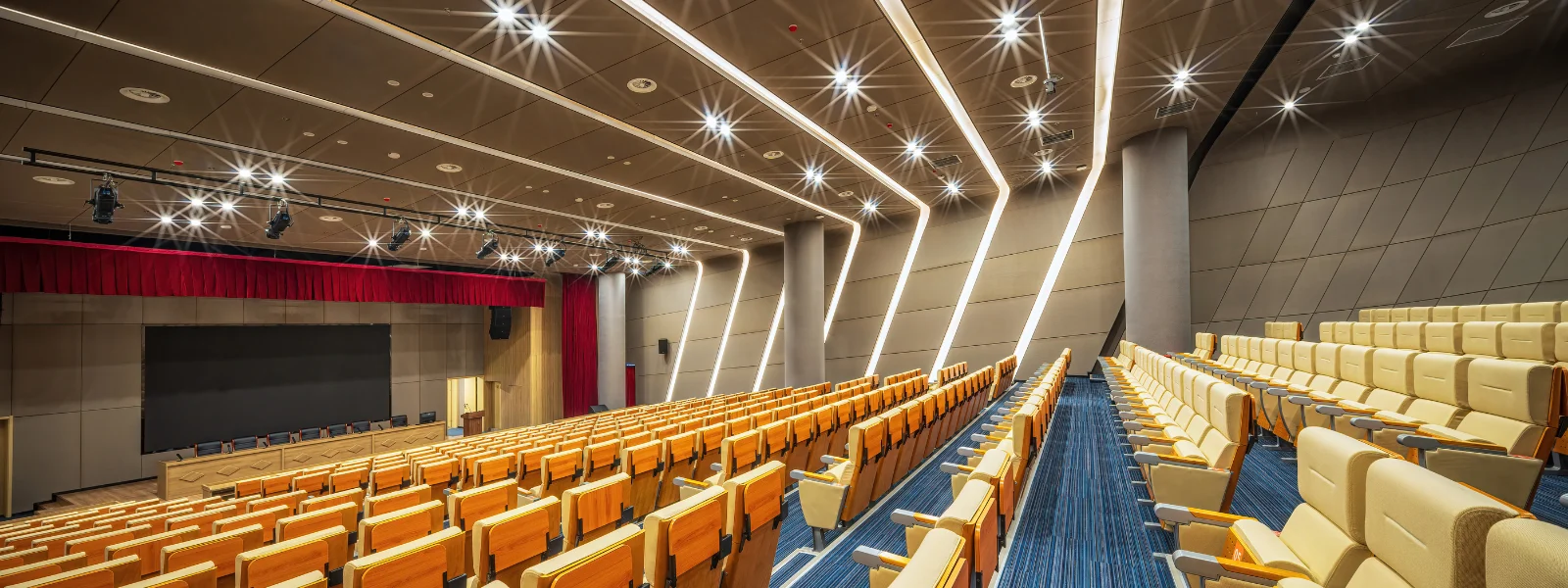
Fixed audience seating continues to be the standard choice for large lecture halls. Tiered layouts ensure visibility for every student, while durable construction supports heavy daily use. Modern fixed seating designs are also integrating ergonomic features and power outlets, making them far more functional than the rigid rows of the past.
Flexible and Modular Solutions
For universities that need versatility, modular seating and movable desks have become essential. These solutions allow lecture halls to transform quickly—from traditional lectures to group workshops or seminars. While the initial investment may be higher, the adaptability makes it worthwhile for multipurpose spaces.
Furniture that Encourages Collaboration
Learning is no longer a one-way exchange of information. Clustered tables, shared writing surfaces, and lightweight seating options encourage peer-to-peer discussions and group projects. This approach supports active learning strategies and helps students stay engaged throughout the session.
Balancing Design, Durability, and Comfort
Beyond functionality, universities must consider aesthetics and branding. Furniture that looks modern while remaining durable reinforces a professional identity. Meanwhile, ergonomic seating directly impacts concentration and learning outcomes—making comfort a non-negotiable factor in planning.
Integrating Technology and Accessibility
As digital learning becomes the norm, lecture halls are incorporating built-in charging points, cable management systems, and smart furniture. Equally important is accessibility: adjustable desks, wheelchair-friendly layouts, and inclusive seating ensure that all students have equal opportunities to participate.
Lecture Hall Furniture Comparison Table
| Furniture Type | Best For | Key Benefits | Considerations |
| Fixed Seating | Large auditoriums | Durability, organisation, visibility | Less flexible for small groups |
| Modular Seating | Mid-size / multipurpose halls | Adaptability, reconfiguration | Higher upfront investment |
| Collaborative Furniture | Interactive learning spaces | Teamwork, active learning | Requires frequent rearrangement |
FAQs
What is the best seat in a lecture hall?
The middle rows, slightly elevated from the front, usually offer the best combination of visibility and acoustics. In tiered halls, these seats balance comfort and focus.
What are the advantages of fixed audience seating in lecture halls?
Fixed seating ensures organisation, maximises capacity, and creates predictable sightlines—important for large auditoriums. It also offers long-term durability and lower maintenance, making it a cost-effective choice for high-traffic university spaces.
Ready to transform your lecture halls? Contact Studio Office today or visit our showroom in Cyprus to experience our specialised university furniture firsthand, and discover how our solutions can create flexible, modern spaces that support today’s teaching and learning needs.