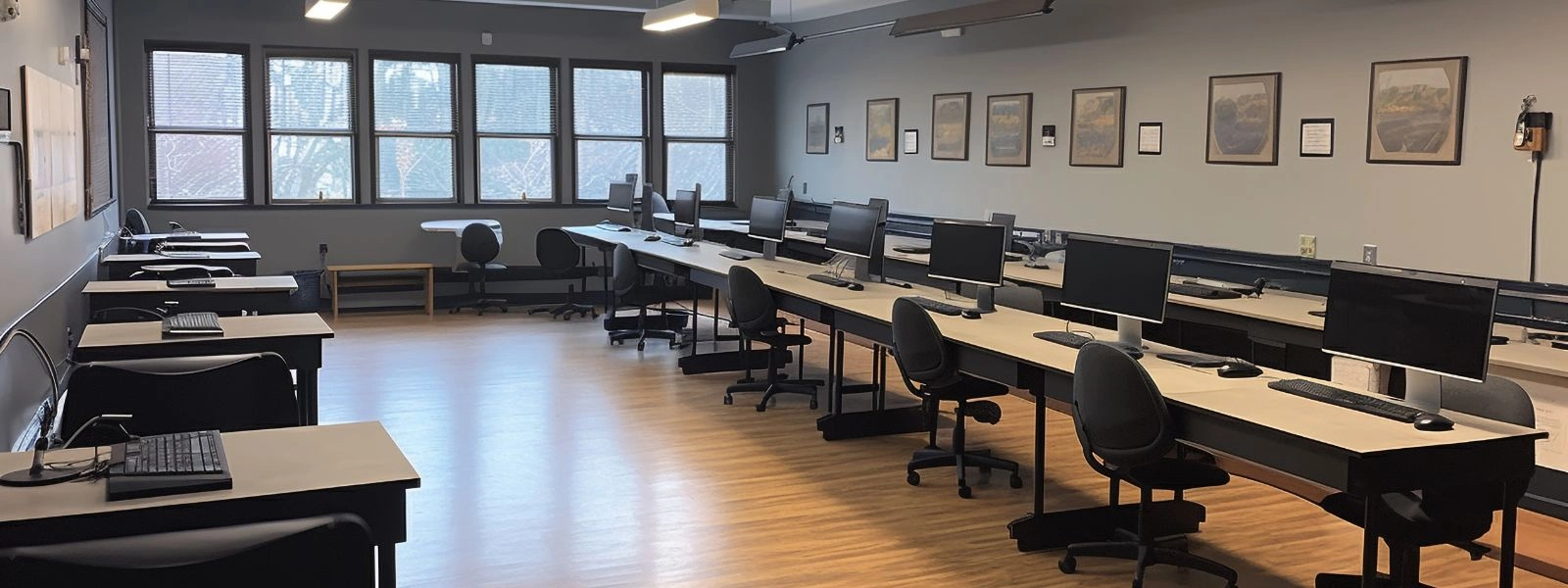
Modern offices are changing fast. Hybrid work, new technology, flexible teams, and changing business needs are all shaping the way people use workspaces.
A fixed office layout may work well today, but what happens when your team grows, employees work from home, or you need more space for collaboration?
A future-ready office is designed to handle these changes. It combines flexible furniture, smart technology, comfortable work areas, and adaptable layouts to create a workplace that can change with the business.
For companies planning a new office or updating an existing one, the goal is not simply to follow the latest office trends. It is to create a space that remains useful, comfortable, and efficient for years to come.
What’s Included in This Article
- What makes an office future-ready
- How flexible office layouts support changing needs
- The role of modular office furniture
- Technology-integrated furniture for modern workplaces
- How to support hybrid and flexible working
- Creating better collaboration areas
- Choosing furniture that supports future business growth
- Tips for balancing technology, comfort, and design
What Makes an Office Future-Ready?
A future-ready office is built around flexibility. It should allow people to work alone, collaborate with colleagues, meet with clients, and join online meetings without needing major changes to the space.
This means thinking beyond traditional rows of desks.
A modern workplace may include:
- Open workstations
- Private focus areas
- Meeting rooms
- Collaboration zones
- Lounge areas
- Flexible training spaces
- Breakout areas
- Technology-ready workstations
The key is to make these spaces work together.
Furniture also plays an important role. Mobile desks, modular storage, movable partitions, and flexible seating can help businesses change layouts without replacing their entire office.
Create Flexible Office Layouts
One of the most important parts of future-ready office design is flexibility.
Business needs can change quickly. A company may hire more employees, introduce hybrid working, or need more meeting space. A flexible layout makes these changes easier to manage.
Instead of designing each area for one fixed purpose, consider how a space can support several activities.
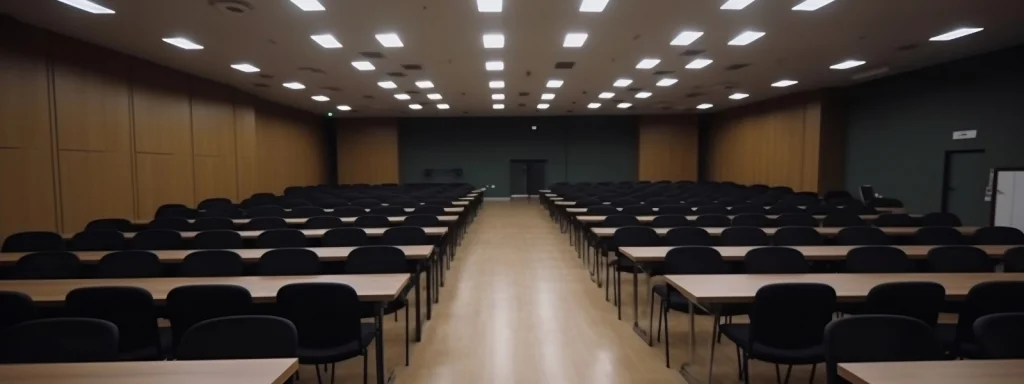
A large room, for example, could be used for training in the morning, team meetings in the afternoon, and an event in the evening.
Design Spaces That Can Change
Furniture should make it easy to change the layout.
Desks on castors, folding tables, mobile storage units, and movable partitions can be moved when the needs of the business change.
This can also help businesses make better use of smaller offices. Rather than having several rooms that are only used occasionally, flexible furniture can help one space serve different purposes.
Use Modular Office Furniture
Modular office furniture is made from separate units that can be combined, moved, or changed.
This makes it useful for businesses that expect to grow or change their working style.
Modular solutions can include:
- Desks and workstations
- Storage cabinets
- Shelving
- Meeting tables
- Seating
- Reception furniture
- Partition systems
The benefit is simple: you can adapt the furniture without starting from scratch.
Choose Technology-Integrated Office Furniture
Technology is now part of almost every office task. Employees use laptops, monitors, phones, video conferencing systems, and other digital tools throughout the day.
Office furniture should support this technology rather than create clutter.
Built-In Power and Connectivity
Technology-ready furniture can include built-in power sockets, USB ports, cable management, and connectivity points.
These features help keep cables organised and make it easier for employees to connect their devices.
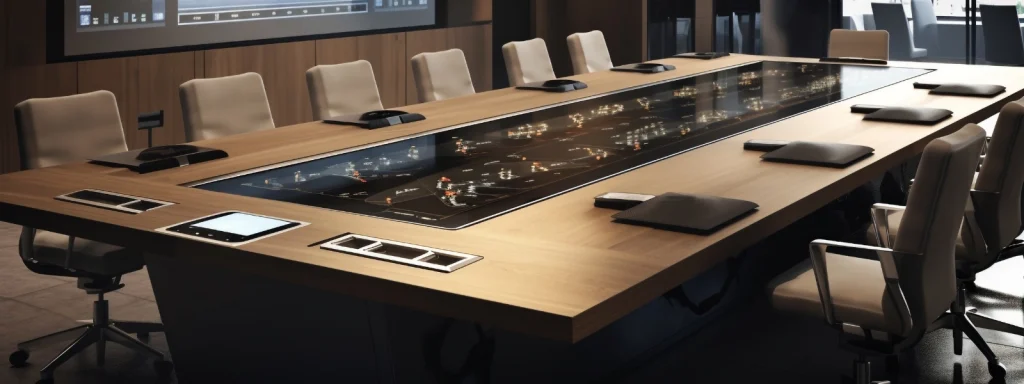
For meeting rooms, integrated power and cable management can create a cleaner table surface while making presentations and video calls easier to manage.
Furniture for Hybrid Meetings
Hybrid meetings are now common in many workplaces. A meeting room needs to work for people sitting around the table and those joining remotely.
A technology-friendly meeting space can include:
- Conference tables with power access
- Cable management
- Screens and display systems
- Video conferencing equipment
- Flexible seating
- Good lighting
The furniture layout should also give everyone a clear view of the screen and camera.
This creates a better experience for both people in the room and remote participants.
Design for Hybrid and Flexible Working
The growth of hybrid work has changed how many offices are used.
Not every employee needs a permanent desk. Some may work from home several days a week, while others may spend most of their time in the office.
This creates an opportunity to design spaces around different work styles.
Hot-Desking and Shared Workspaces
Hot-desking allows employees to use available workstations instead of having one permanent desk.
This can make better use of office space when employees work on different schedules.
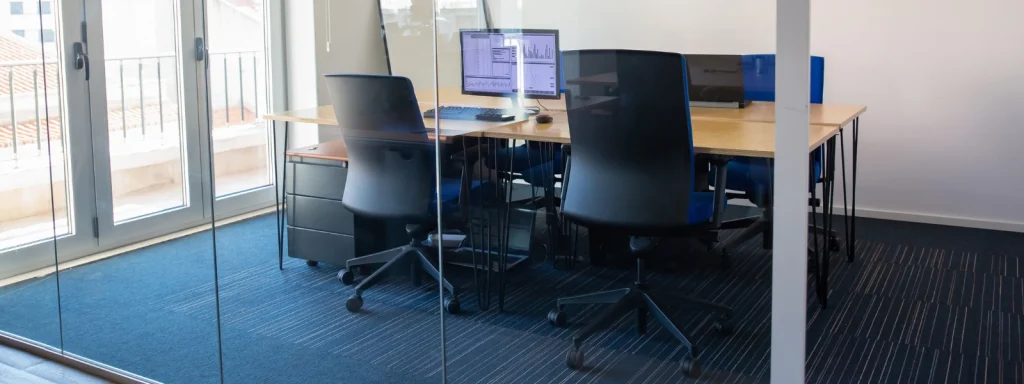
Shared workspaces should include comfortable ergonomic chairs, adjustable desks where possible, and easy access to power and storage.
Personal storage is also important. Lockers and mobile storage can give employees a secure place for personal belongings without assigning a permanent desk to each person.
Quiet Areas for Focused Work
Open offices can support teamwork, but they can also become noisy.
A future-ready office should include quiet areas where employees can focus without constant interruptions.
These areas can include:
- Acoustic pods
- Private workstations
- Small focus rooms
- High-back seating
- Acoustic partitions
Providing different work settings allows employees to choose the environment that best suits the task.
Create Spaces for Collaboration
Modern offices need places where people can meet, share ideas, and solve problems together.
A collaboration area does not always need to be a formal meeting room.
Collaborative Meeting Areas
Meeting tables, mobile whiteboards, flexible chairs, and modular furniture can create spaces that support group work.
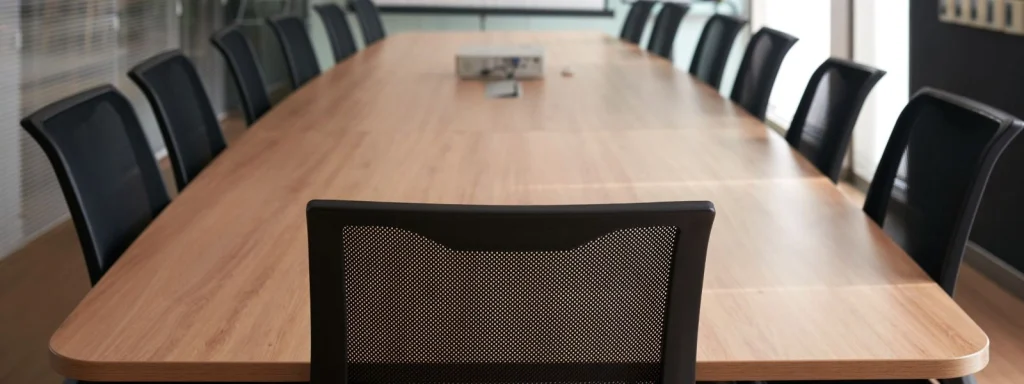
Small meeting tables are useful for quick discussions, while larger conference tables can support formal meetings and presentations.
The furniture should make it easy for people to communicate with each other without creating unnecessary barriers.
Informal Work and Lounge Spaces
Some of the best ideas can happen outside the traditional meeting room.
Lounge seating, sofas, coffee tables, and informal meeting areas can provide a relaxed setting for discussions.
These areas can also give employees a place to take a short break or work away from their main desk.
A mix of formal and informal spaces makes the office more useful throughout the day.
Choose Furniture That Can Adapt as Your Business Grows
Office furniture should not only meet today’s needs. It should also support future changes.
A growing business may need more desks, additional storage, larger meeting areas, or different types of workspaces.
Easy-to-Reconfigure Furniture
Choose furniture that can be moved and rearranged without major disruption.
Modular desks, mobile tables, movable partitions, and flexible seating can help businesses change layouts more easily.
This is especially useful for companies that regularly change teams or working arrangements.
Furniture That Supports Business Growth
When choosing furniture, think about how the office may look in three, five, or even ten years.
Durable furniture can provide long-term value. Modular systems can also be expanded as the business grows.
For example, a modular workstation system can allow additional desks or storage units to be added later without replacing the entire setup.
This approach helps create an office that can grow with the company.
Balance Technology with Comfort and Design
Technology is important, but it should not take over the workspace.
A future-ready office should still feel comfortable and welcoming.
Ergonomic office chairs, adjustable desks, suitable lighting, acoustic solutions, and well-planned layouts all contribute to a better working environment.
Materials and colours also matter. Wood finishes, fabric seating, plants, and natural light can help soften technology-heavy spaces.
The best office design combines function, comfort, technology, and style.
Why Future-Ready Office Design Matters in 2026
Businesses are no longer designing offices simply to provide employees with a desk.
The modern workplace needs to support different tasks and different ways of working.
A future-ready office can help businesses:
- Make better use of available space
- Support hybrid working
- Improve collaboration
- Create more comfortable work areas
- Adapt to business growth
- Reduce the need for major office changes
- Create a stronger workplace experience
The most successful office designs are not built around one trend. They are built around flexibility.
By choosing adaptable furniture and planning spaces carefully, businesses can create an office that remains useful as their needs change.
Frequently Asked Questions
What is a future-ready office?
A future-ready office is a workspace designed to adapt to changing business needs, technology, and working styles. It often includes flexible furniture, modular layouts, technology-ready meeting areas, collaboration spaces, and quiet work zones.
What furniture is best for a flexible office?
Modular desks, mobile tables, ergonomic chairs, movable partitions, mobile storage, and flexible seating are useful choices. These pieces can be moved or rearranged as the office changes.
How can office furniture support hybrid working?
Furniture can support hybrid work by providing comfortable workstations, shared desks, personal storage, and technology-ready meeting spaces. Conference tables with power and cable management can also make hybrid meetings easier.
Why is modular furniture useful in modern offices?
Modular furniture can be moved, expanded, or reconfigured. This makes it easier for businesses to change their office layout without replacing all their furniture.
Conclusion
Designing a future-ready office in 2026 means planning for change.
Flexible layouts, modular furniture, technology-integrated workstations, and collaboration areas can help businesses create offices that support today’s employees while remaining ready for tomorrow.
The right furniture is a key part of this process. From ergonomic office chairs and adjustable desks to modular storage and flexible meeting tables, each piece should have a clear purpose.
Most importantly, a future-ready office should be designed around people. It should give employees the right spaces to focus, collaborate, meet, and take a break.
With thoughtful planning, businesses can create workspaces that are not only modern but also adaptable, comfortable, and built to last.
Create Your Future-Ready Office with Studio Office
Planning a modern office in Cyprus? Studio Office provides office furniture solutions designed for flexible, productive, and adaptable workplaces.
From ergonomic office chairs and modular workstations to conference tables, storage solutions, partitions, and collaborative seating, our team can help you create a workspace that fits the way your business works today and can adapt to tomorrow.
Visit the Studio Office showrooms in Nicosia, Limassol, or Larnaca to explore our furniture solutions and discuss your office requirements with our team.
Build a workspace that is ready for what comes next.
Key Takeaways
- A future-ready office should be flexible and easy to adapt.
- Modular furniture makes it easier to change office layouts.
- Technology-integrated furniture supports modern and hybrid working.
- Collaboration areas help teams communicate and share ideas.
- Quiet zones give employees space for focused work.
- Ergonomic furniture supports comfort throughout the workday.
- Flexible furniture can help businesses prepare for future growth.
- Good office design balances technology, comfort, function, and style.