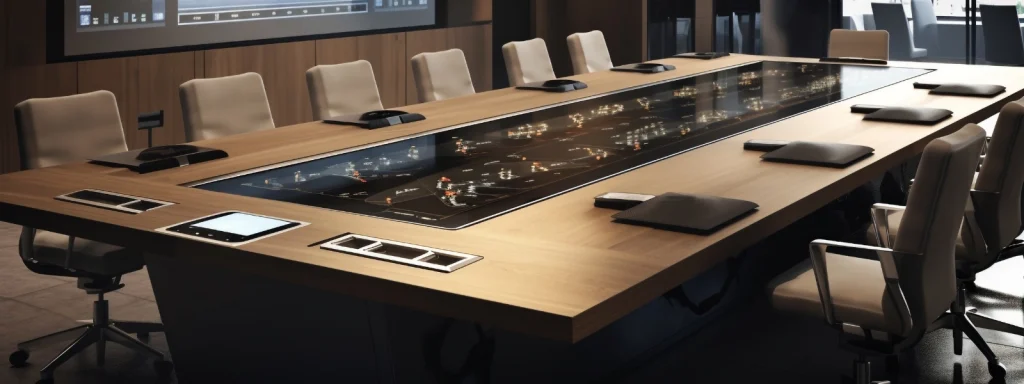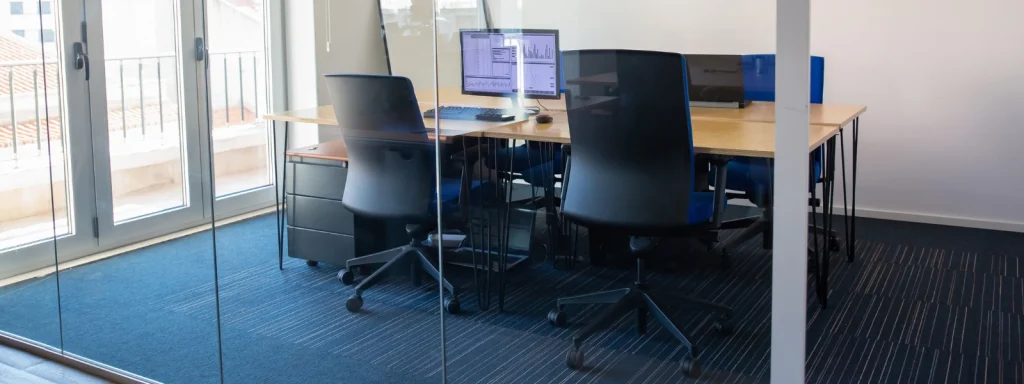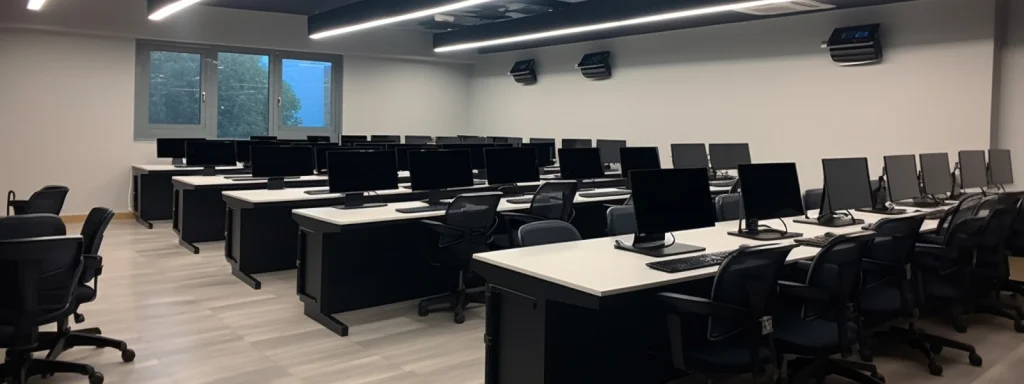

Open-plan offices have long been favored for their ability to foster collaboration, transparency, and a sense of community. By removing physical barriers, these spaces aim to encourage spontaneous interactions and a more egalitarian work environment. However, as organizations grow and the nature of work evolves, certain challenges associated with open layouts have become more pronounced.
The Benefits of Openness
The appeal of open-plan offices lies in their potential to:
- Enhance Communication: Facilitating easier and more frequent interactions among team members.
- Promote Flexibility: Allowing for adaptable spaces that can accommodate various team sizes and functions.
- Optimize Space Utilization: Maximizing the use of available square footage by reducing the need for enclosed offices.
These advantages have made open layouts a popular choice for many modern workplaces.
Emerging Challenges
Despite their benefits, open-plan offices are not without drawbacks. As teams expand and diverse work styles emerge, several issues have been identified:
- Noise and Distractions: The lack of physical barriers can lead to increased noise levels, making it difficult for employees to concentrate.
- Reduced Privacy: Employees may feel a lack of personal space, leading to discomfort and decreased job satisfaction.
- Decreased Face-to-Face Interactions: Contrary to their intended purpose, some studies have found that open offices can lead to a reduction in direct communication, as employees may seek to minimize distractions by isolating themselves.
Strategies for Structured Openness
To address these challenges while retaining the benefits of open layouts, organizations can consider the following approaches:
- Zoning: Designating specific areas for different activities—such as quiet zones for focused work and collaborative zones for team discussions—can help manage noise and activity levels.
- Acoustic Solutions: Incorporating sound-absorbing materials and structures can mitigate noise issues, enhancing concentration and comfort.
- Flexible Workspaces: Providing a variety of work settings, including private rooms and communal areas, allows employees to choose environments that best suit their tasks.
- Clear Etiquette Guidelines: Establishing and communicating norms around noise levels, meeting spaces, and personal boundaries can foster a respectful and productive work environment.
Open-plan offices continue to offer valuable benefits in promoting collaboration and efficient use of space. However, recognizing and addressing their inherent challenges is crucial. By implementing thoughtful design strategies and fostering a culture of awareness and adaptability, organizations can create work environments that support both communal interaction and individual focus.