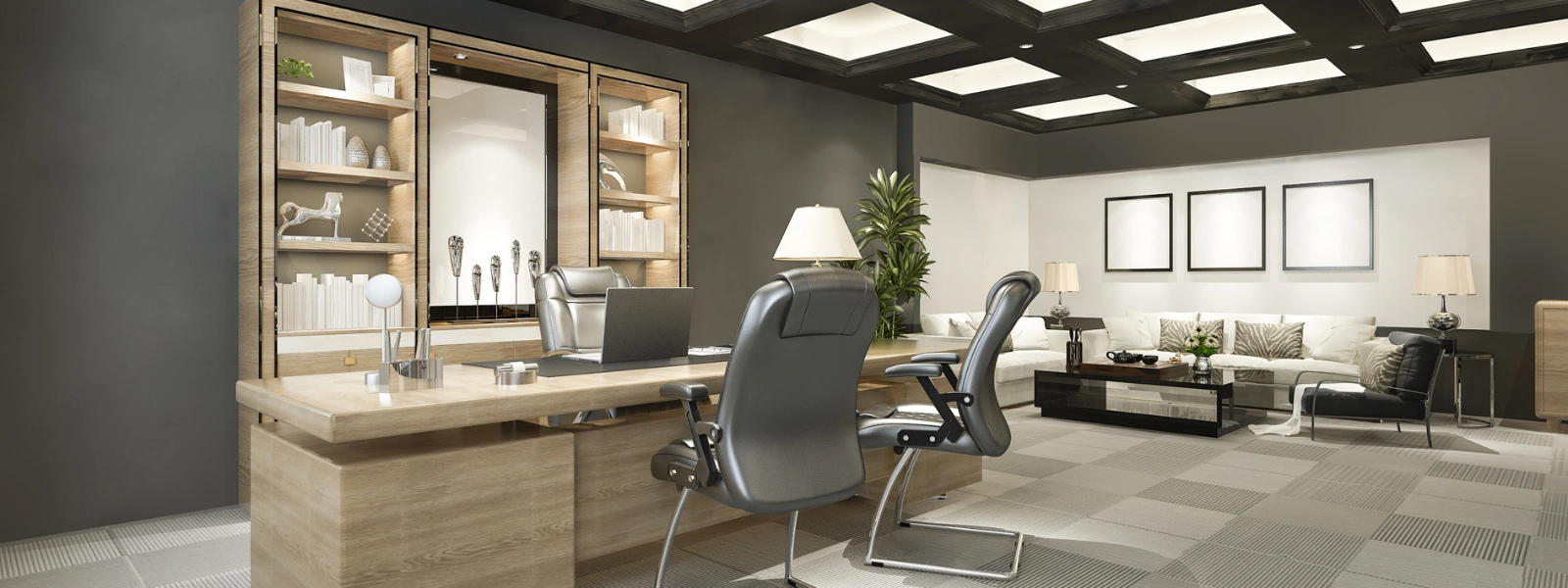
The modern workplace is changing. Offices are no longer designed only around rows of desks and traditional meeting rooms. Businesses now need spaces that support focused work, collaboration, flexibility, and different ways of working.
This change is also influencing office furniture. In 2026, businesses are looking for furniture that can do more than simply fill a room. Flexible desks, ergonomic seating, modular workstations, acoustic solutions, and sustainable materials are becoming important parts of modern office design.
For businesses in Cyprus, choosing the right furniture can help create a workplace that is comfortable, practical, and ready for future changes. Here are seven workplace furniture trends that are shaping office design in 2026.
Что включено в эту статью
- Why workplace furniture is changing
- Seven office furniture trends for 2026
- How flexible furniture supports modern offices
- Why ergonomics and employee comfort matter
- How technology is influencing office furniture
- How to choose furniture for your workplace
Why Workplace Furniture Is Changing
The way people use offices has changed. Employees may move between individual work, meetings, video calls, teamwork, and focused tasks throughout the day.
This means one type of desk or chair may not be suitable for every activity.
Modern office furniture needs to support different work styles while making good use of the available space. Businesses also need furniture that can adapt when teams grow or office requirements change.
This has created a move towards more flexible and practical workplace furniture.
7 Workplace Furniture Trends Shaping Office Design in 2026
1. Flexible and Modular Furniture
Flexibility is one of the biggest trends in office design.
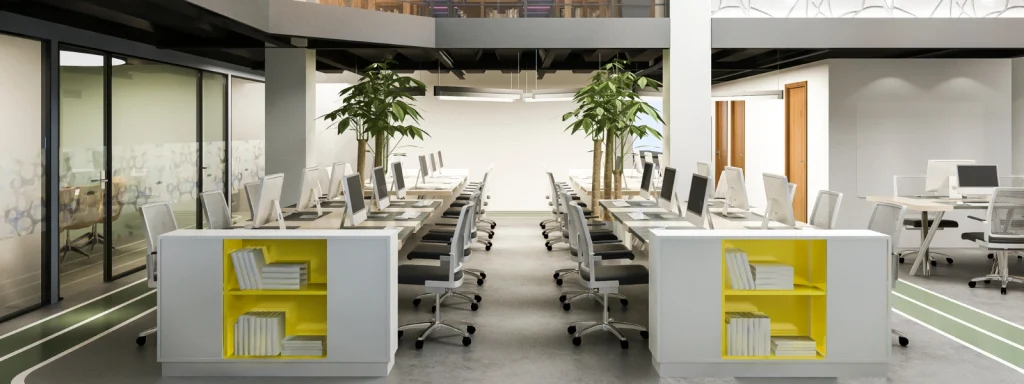
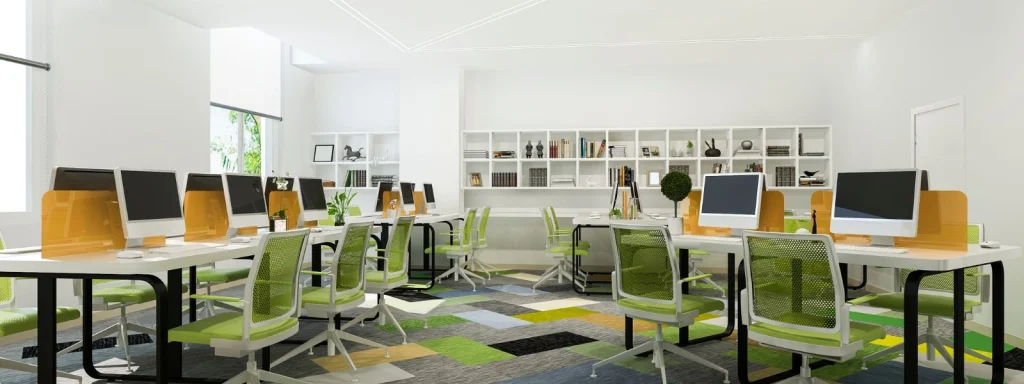
Modular desks, workstations, tables, and seating can be moved or rearranged when the needs of the workplace change. Instead of having a fixed layout, businesses can create different arrangements for individual work, meetings, training, and collaboration.
This is particularly useful for offices that need to change their layout regularly.
For example, a group of modular desks can be arranged for everyday work and later moved to create more open space for a team meeting.
Flexible furniture can also help businesses avoid replacing their entire office setup when their needs change.
2. Ergonomic Office Furniture
Employee comfort continues to be an important part of workplace design.
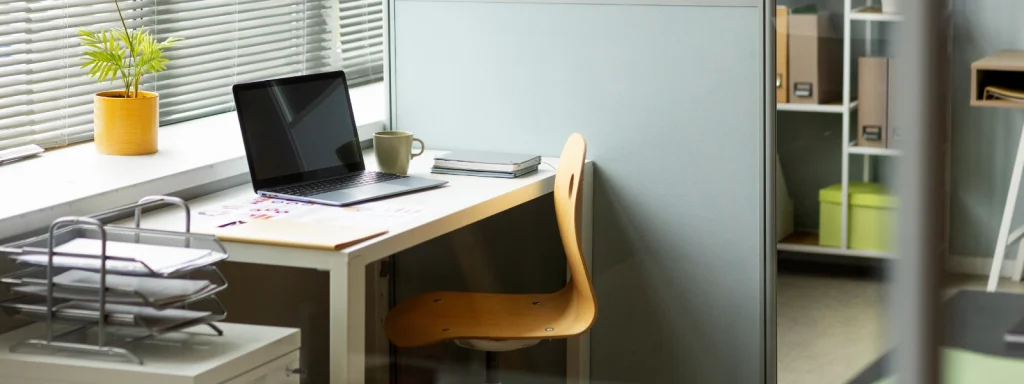
People can spend many hours at their desks, making the choice of office chairs and desks important. Ergonomic furniture is designed to support a more comfortable working position and can help employees adjust their workspace to suit their needs.
Common ergonomic solutions include:
- Adjustable office chairs
- Height-adjustable desks
- Adjustable monitor stands
- Supportive seating
- Flexible workstation setups
Ergonomic furniture is not only about comfort. A well-planned workstation can also help employees work more effectively throughout the day.
3. Activity-Based Workspaces
Traditional offices often give each employee a permanent desk. Modern workplaces are increasingly creating different areas for different activities.
This approach is known as activity-based working.
Instead of working in the same place all day, employees may choose a workspace based on what they need to do.
An office could include:
- Individual workstations
- Quiet areas
- Collaboration tables
- Meeting spaces
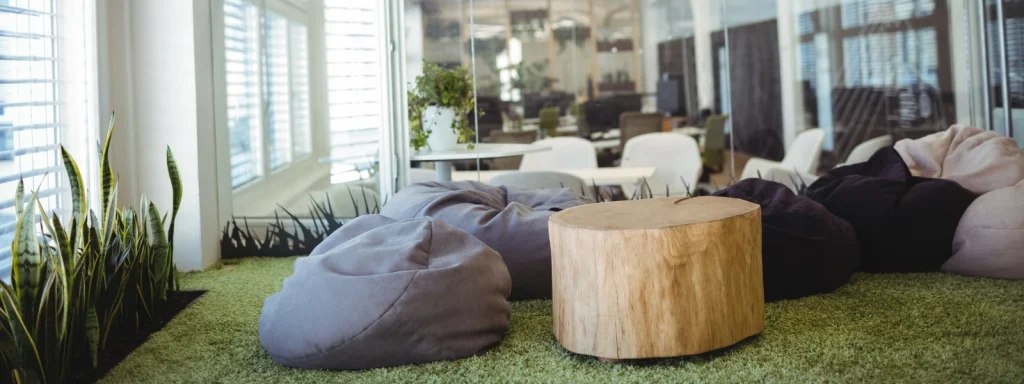
- Informal seating
- Private areas for calls
Furniture plays an important role in making these areas practical.
For example, comfortable lounge seating can support informal discussions, while shared desks can provide flexible work areas.
4. Acoustic Furniture and Privacy Solutions
Open offices can make communication easier, but noise can also become a problem.
In 2026, businesses are paying more attention to furniture and solutions that help create quieter areas within open workplaces.
Acoustic screens, privacy panels, booths, and other sound-conscious furniture can help separate areas without completely closing them off.
These solutions can be useful for employees who need to focus, attend online meetings, or make phone calls.
They also allow businesses to create private zones without using permanent walls.
5. Technology-Ready Office Furniture
Technology is now part of almost every modern workplace, so office furniture needs to support it.
Meeting tables and workstations may need built-in or easy access to power, charging points, cable management, and screens.
Technology-ready furniture can help keep cables organised while making it easier for employees to connect their devices.
Meeting spaces are especially important. Businesses may need conference tables that work well with screens, cameras, microphones, and other equipment used for hybrid meetings.
The aim is to make technology part of the workspace instead of allowing cables and devices to create clutter.
6. Sustainable Office Furniture
Sustainability is also influencing furniture choices.
Businesses are becoming more aware of the materials used in their workplaces and the lifespan of the furniture they purchase.
Durable furniture can be a practical choice because it may remain useful for longer and reduce the need for frequent replacement.
Businesses can also consider furniture made with more responsible materials, as well as modular products that can be repaired, rearranged, or adapted rather than completely replaced.
Sustainable office design is not simply about choosing a particular material. It can also mean buying furniture that is built to last and can adapt to changing needs.
7. Furniture Designed for Wellbeing
The workplace is increasingly being designed around employee wellbeing.
Furniture can contribute to a more comfortable and welcoming environment through better seating, flexible work areas, natural-looking materials, and spaces where employees can take a break from their main workstation.
Lounge chairs, informal seating, breakout tables, and comfortable meeting areas can help create a less rigid workplace.
The goal is not to turn the office into a lounge. Instead, it is about creating different environments that allow employees to work comfortably throughout the day.
How These Trends Work Together
These furniture trends do not need to be treated as separate ideas.
A modern office can combine several of them in one design.
For example, a workplace could use modular workstations for everyday tasks, ergonomic chairs for comfort, acoustic screens for privacy, and flexible meeting tables for collaboration.
This creates a workplace that can support different activities without requiring a large amount of additional space.
The key is to choose furniture based on how your employees use the office rather than following every trend simply because it is popular.
How to Choose the Right Workplace Furniture in 2026
Before choosing new furniture, consider the practical needs of your business.
Ask yourself:
- How many employees use the office?
- How is the space used during a normal day?
- Do employees work individually or in teams?
- Are hybrid or remote workers using the office?
- Do you need private areas for calls and meetings?
- How much storage is required?
- Will the office need to change in the future?
- What technology needs to be supported?
It is also important to measure the available space before purchasing furniture. The right products should fit the layout without making walkways or work areas feel crowded.
Common Mistakes When Following Office Furniture Trends
Trends can provide useful inspiration, but they should not replace proper planning.
One common mistake is choosing furniture because it looks modern without considering how employees will use it.
Another is trying to include too many different furniture styles in one office. This can make the workplace look disorganised.
Businesses should also avoid choosing furniture that does not match the size of the office. Large desks and seating areas can quickly reduce available space.
Instead, focus on furniture that provides a useful function and supports the way your team works.
Часто задаваемые вопросы
What is the biggest office furniture trend in 2026?
Flexibility is one of the key trends. Modular and movable furniture allows offices to adapt to different work activities and future changes.
What office furniture is best for hybrid workplaces?
Flexible desks, ergonomic chairs, shared workstations, movable meeting tables, storage, and technology-ready furniture can work well in hybrid offices.
Is ergonomic furniture still important in 2026?
Yes. Comfortable and adjustable furniture remains an important part of modern office design, particularly for employees who spend long periods working at desks.
How can office furniture improve a small workspace?
Compact desks, modular workstations, movable furniture, vertical storage, and multifunctional meeting areas can help make better use of limited office space.
Should businesses follow every office furniture trend?
No. Trends can provide ideas, but furniture should always be selected based on the business, available space, employees, and daily work activities.
Заключение
Workplace furniture is becoming more flexible, practical, and focused on the needs of modern employees.
From modular workstations and ergonomic chairs to acoustic solutions, technology-ready furniture, and sustainable choices, the trends shaping office design in 2026 are about creating workplaces that can adapt.
For businesses in Cyprus, the best approach is not to follow every trend. Instead, choose furniture that fits your available space, supports your team, and can continue to work as your business changes.
With the right combination of furniture and planning, an office can become a more comfortable, efficient, and flexible place to work.
Ключевые выводы
- Flexible and modular furniture can help offices adapt to change.
- Ergonomic furniture supports workplace comfort.
- Activity-based layouts allow employees to use different spaces for different tasks.
- Acoustic furniture can provide more privacy in open offices.
- Technology-ready furniture helps keep modern workspaces organised.
- Durable and sustainable furniture can support more responsible office design.
- Wellbeing-focused furniture can make the workplace more comfortable.
- Furniture should always be selected based on how the office is actually used.