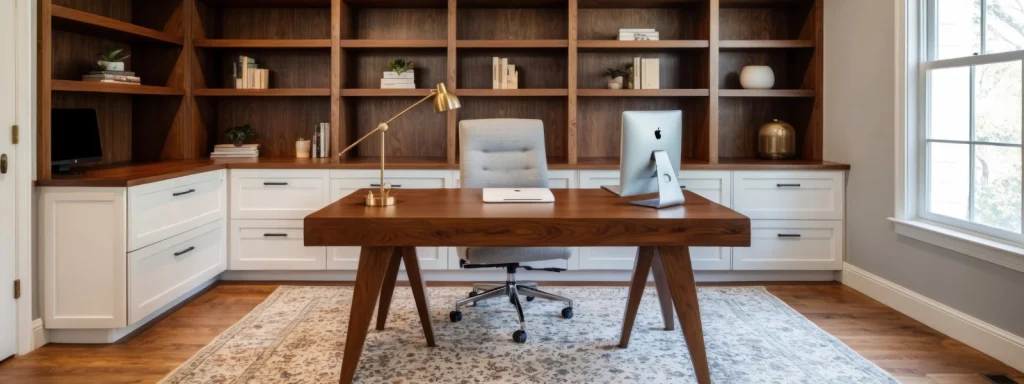

Modern workplaces are no longer just about desks and chairs—they’re about creating environments that promote well-being, focus, and efficiency. In healthcare and other demanding sectors, the healthcare workstation has become a critical part of supporting staff performance and reducing stress. With the right approach, ergonomic design can transform the way employees work, while reducing risks of injury and absenteeism.
10 Impressive Benefits of Ergonomics in the Workplace
1. Health Benefits
Ergonomic workstations help prevent musculoskeletal disorders by ensuring employees maintain correct posture and movement.
2. Improved Productivity
Staff who are comfortable can focus more, completing tasks faster with fewer errors.
3. Improved Mental Clarity
A clutter-free, ergonomic setup reduces cognitive strain, helping staff stay alert and sharp.
4. Decreased Pains
From neck and back pain to eye strain, many common workplace issues can be alleviated.
5. Eliminates Hazards
Adjustable workstations reduce repetitive stress injuries and minimise physical strain.
6. Quality of Work Improves
When discomfort is reduced, energy is channelled into better concentration and performance.
7. Reduce Absenteeism
Healthier employees mean fewer sick days and greater workforce consistency.
8. Focus on Safety
Safety is integral in healthcare—ergonomic healthcare workstations reduce risks in critical environments.
9. Increased Employee Satisfaction
Comfortable workspaces foster a more positive company culture.
10. Lower Insurance Costs
Fewer workplace injuries can lower long-term insurance and compensation claims.
What Are Workplace Ergonomics?
Ergonomics is the science of designing workspaces that suit the user. In healthcare settings, this means creating workstations that adapt to the physical needs of doctors, nurses, and administrative staff while ensuring efficiency in fast-paced environments.
Designing for Ergonomics in the Workplace
Get an Ergonomic Assessment
Professional assessments identify risks and provide solutions tailored to your workplace.
Ask Employees to Report Injuries
Encouraging feedback helps spot issues before they become widespread problems.
Minimise Awkward and Stressful Motions
Layout and workstation design should reduce strain from reaching, twisting, or bending.
Think Adjustable
Height-adjustable desks, monitor arms, and chairs with full adjustability allow staff to customise their space.
Custom Workstations
For healthcare, specialised healthcare workstation setups may include medical-grade surfaces, modular storage, and easy-to-clean designs.
Explain How to Use the New Equipment
Education is as important as the design itself—staff should know how to adjust and use their ergonomic tools.
Frequently Asked Questions
Why are ergonomic healthcare workstations important for staff?
Ergonomic healthcare workstations reduce strain and fatigue during long shifts. They support proper posture, minimise repetitive stress injuries, and create a healthier environment, helping staff stay focused and comfortable.
How do healthcare workstations improve productivity and reduce fatigue?
By offering adjustable desks, organised layouts, and supportive seating, healthcare workstations allow staff to work more efficiently with fewer distractions. Reduced physical discomfort directly translates into better concentration and faster task completion.
What features should be included in a modern healthcare workstation?
Modern healthcare workstations should include adjustable height desks, ergonomic chairs, proper lighting, accessible storage, and cable management. These elements create a workspace that promotes efficiency, safety, and long-term well-being.
Enjoy Your Ergonomic Work Environment Today
Investing in ergonomics shows employees you value their health and well-being. For healthcare organisations, this also translates into better patient outcomes, since staff can perform at their best.
Conclusion
From hospitals to corporate offices, ergonomic design is no longer optional—it’s essential. A thoughtfully designed healthcare workstation not only improves staff health but also ensures higher levels of productivity, focus, and satisfaction.
At Takis, we understand the unique demands of healthcare environments. Our ergonomic healthcare workstation solutions are designed to support productivity, comfort, and staff well-being.
Visit our showrooms in Limassol, Nicosia, or Larnaca to explore our range of healthcare furniture.
Or contact us today to discuss a tailored solution for your facility.