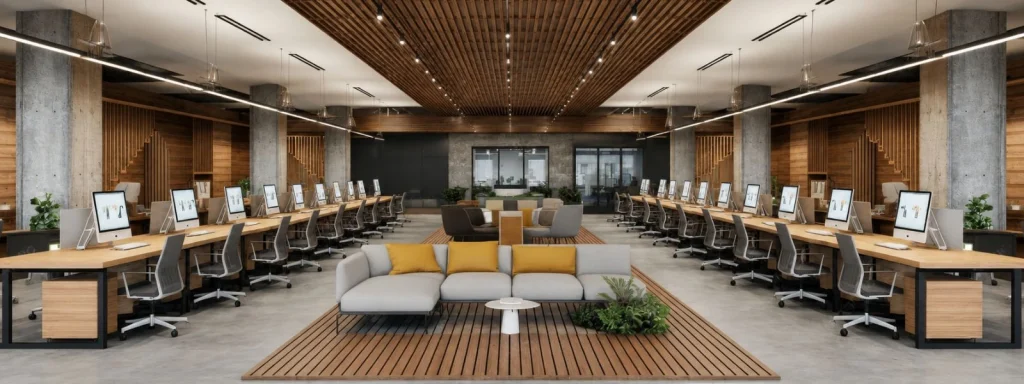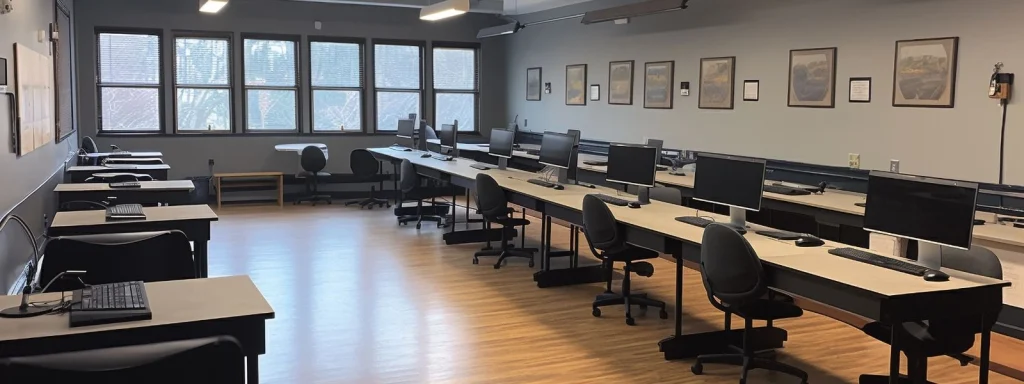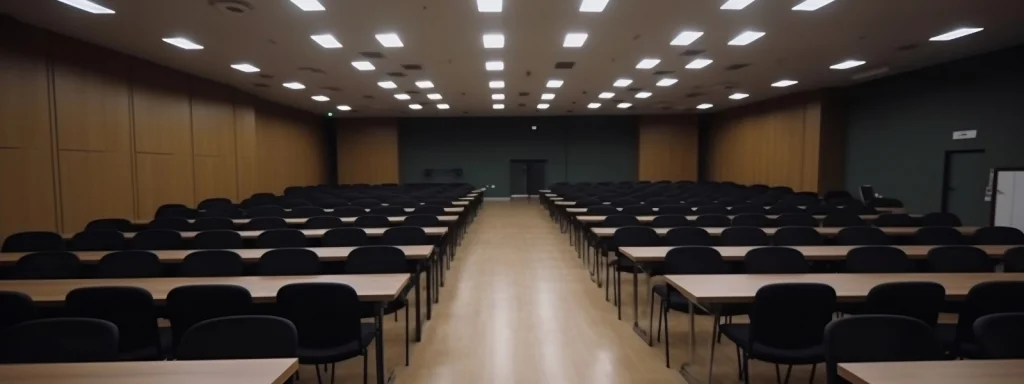

In today’s open-plan offices, sound is often the invisible element shaping how we work. Acoustic panels have become an essential part of workplace design, both in Cyprus and internationally, helping companies create environments where people can focus, collaborate, and feel at ease.
But what do acoustic panels actually do, and why are they becoming a standard feature in offices around the world?
Why Sound Matters?
When we think about office design, we often focus on layout, lighting, or furniture. But sound plays an equally important role in shaping how a space feels and functions.
In an open workspace, even ordinary sounds — conversations, footsteps, typing, ringing phones — can travel easily across the floor. Hard surfaces reflect these sounds, creating echo and amplifying background noise. Over time, this can increase mental fatigue, reduce concentration, and affect the overall atmosphere of the space.
How Acoustic Panels Work?
Acoustic panels are designed to absorb and diffuse sound waves. By reducing echoes and softening the acoustic environment, they help control noise without cutting it off completely. This creates a more balanced space where conversations stay local, private discussions remain private, and background noise doesn’t dominate the room.
In Cyprus, where many offices are designed to embrace natural light and open layouts, acoustic solutions are especially valuable. Panels can be integrated seamlessly into walls, ceilings, or freestanding elements, enhancing both function and aesthetics.
Applications in Cyprus and Beyond
While demand for acoustic panels has grown across Europe and abroad, there’s something particular about their role in the Cypriot context. Many office buildings here combine concrete, glass, and stone — materials that are visually striking but acoustically hard. Without proper treatment, these beautiful spaces can become noisy and tiring to work in.
The use of acoustic panels in Cyprus extends beyond corporate offices. They are now widely used in coworking spaces, hospitality settings, educational institutions, and even homes, where remote work has increased the need for acoustic comfort.
Designing for Wellbeing and Performance
Incorporating acoustic panels is not just a technical upgrade. It’s part of creating a workspace that respects how people experience sound. When the acoustic landscape is well-designed, people can hear each other more clearly, focus more easily, and share a space without feeling drained by noise.
At an international level, this understanding has been driving workplace design trends for years. And in Cyprus, we see the same shift toward more human-centered environments that combine openness with acoustic balance.