Creating the right learning environment for children goes far beyond desks, chairs, and walls. A school’s design, layout, and furniture play a central role in shaping how pupils learn, collaborate, and feel in the classroom. In Cyprus, where education continues to evolve with modern teaching practices, school leaders and designers are rethinking how to create spaces that are not only functional but also nurturing, safe, and inspiring.
Why Child-Friendly Design Matters
Children spend a large portion of their day in school. The classroom is where they learn, socialise, and develop essential skills that shape their future. A poorly designed environment—such as cramped layouts, uncomfortable furniture, or uninspiring colours—can hinder concentration, collaboration, and overall well-being. On the other hand, a carefully planned, child-friendly learning environment fosters curiosity, creativity, and comfort.
For educators and administrators in Cyprus, this means going beyond the basics and adopting a more holistic approach to school planning.
Key Elements of Child-Friendly Learning Spaces
1. Ergonomic and Age-Appropriate Furniture
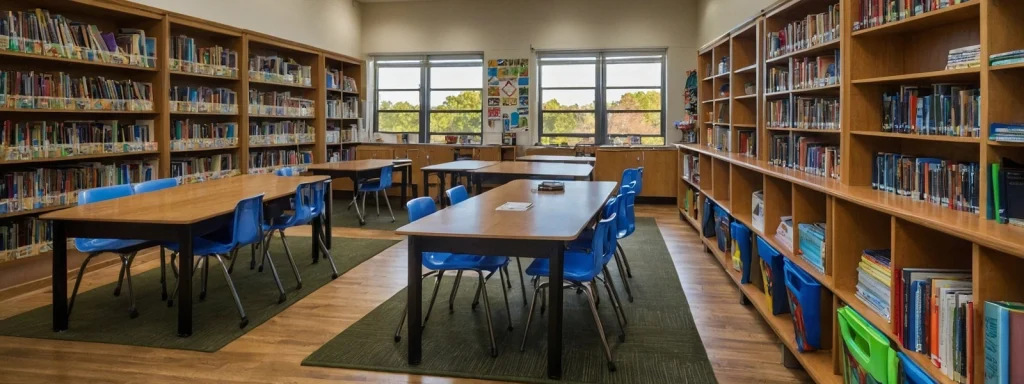
Desks and chairs designed for children should match their age, height, and activity. Adjustable furniture offers flexibility, ensuring students are comfortable during lessons while reducing health issues related to posture.
2. Flexible Layouts for Different Teaching Styles
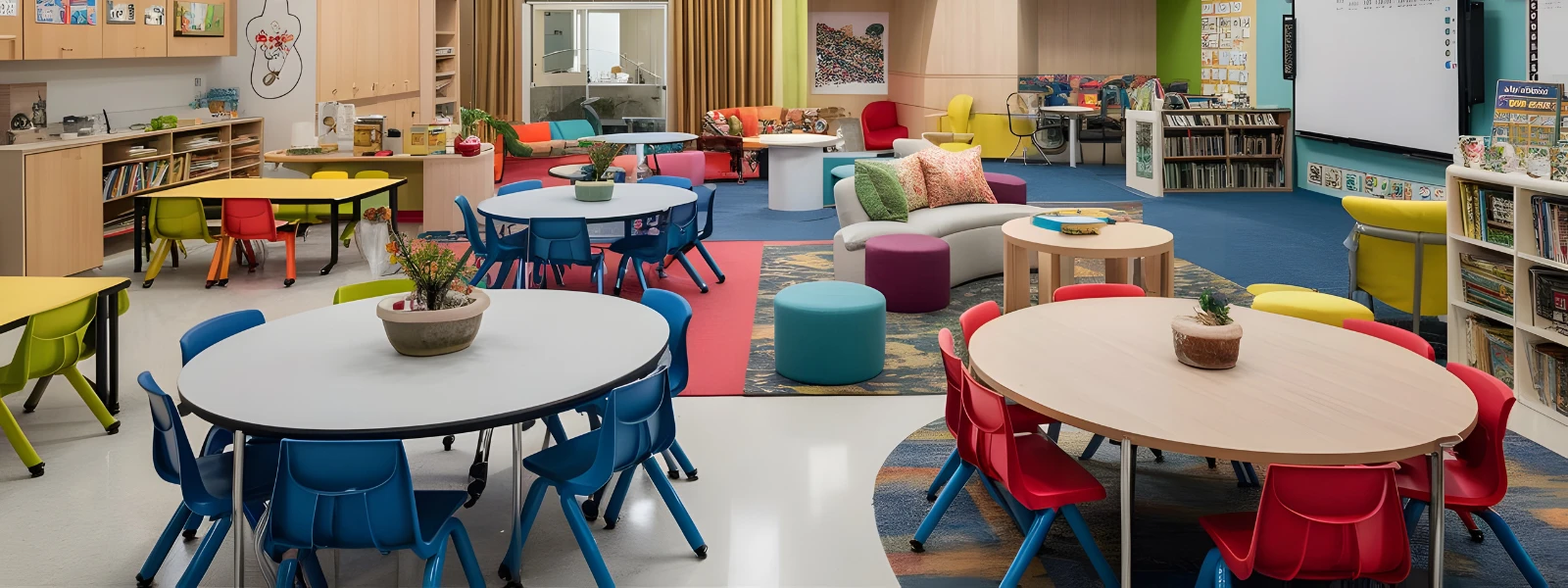
Modern classrooms often shift between traditional lessons, group work, and independent learning. Modular furniture and movable seating allow teachers to quickly adapt the layout to suit the activity, making lessons more engaging and dynamic.
3. Bright, Stimulating, and Calming Spaces
Colour and light significantly affect mood and focus. Natural lighting, combined with thoughtful colour schemes, can make classrooms more welcoming. For example, warm tones may promote comfort, while brighter accents encourage creativity and alertness.
4. Safe and Accessible Design
Safety should never be compromised. Rounded furniture edges, non-slip flooring, and easy-to-navigate layouts help minimise risks. Schools must also ensure accessibility, so every child—regardless of physical ability—feels included and supported.
5. Integrating Technology Seamlessly
Today’s classrooms are increasingly digital. From interactive whiteboards to charging stations for laptops and tablets, furniture should integrate technology without creating clutter or distractions. Well-planned setups allow technology to enhance learning rather than dominate it.
6. Outdoor and Breakout Areas
Learning doesn’t have to stay within four walls. Child-friendly schools in Cyprus are exploring the use of outdoor classrooms, reading corners, and breakout spaces that encourage collaboration, relaxation, and creative play.
The Role of Educators and Designers
While architects and planners shape the structure, teachers and school administrators bring invaluable insights into how a space will be used daily. Successful projects happen when educators collaborate with designers, ensuring that learning spaces reflect both practical teaching needs and children’s developmental requirements.
Building Schools That Inspire
Cyprus is witnessing growing demand for modern educational spaces that align with international best practices. By investing in thoughtful design, schools can offer environments that don’t just accommodate students but actively support their growth, creativity, and well-being.
For school leaders, administrators, and architects, building child-friendly learning environments is not just a design choice—it’s a commitment to shaping the next generation of learners.
Final Thoughts
The classroom of today must be safe, flexible, and inspiring. It must encourage collaboration as much as individual focus. By rethinking furniture, layouts, and design, schools in Cyprus can create environments where children not only learn but also thrive.
Ready to design a child-friendly learning space in your school? Contact Studio Office today to explore our range of education-focused furniture solutions tailored for Cyprus schools.