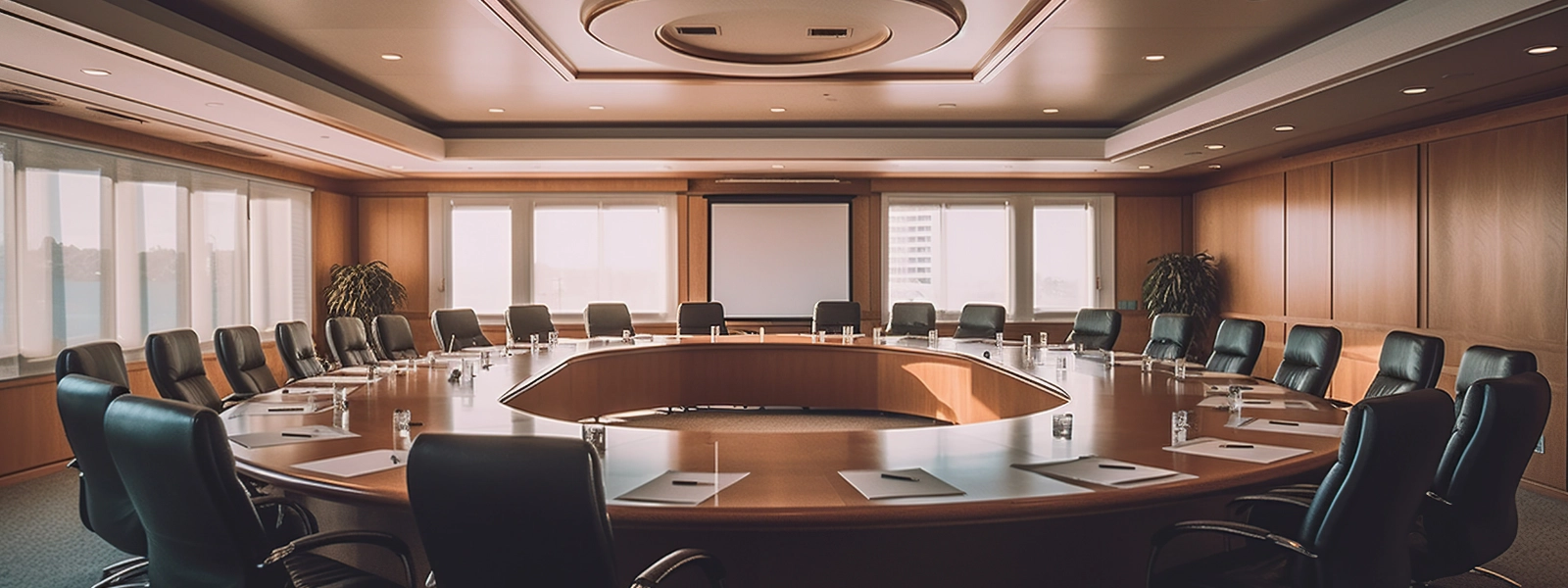
A meeting room is one of the most important spaces in any office. It is where teams share ideas, discuss projects, meet clients, and make decisions. At the center of this space is the conference table. Choosing the right one is not only about appearance — it also affects communication, comfort, productivity, and how the room functions every day.
The ideal conference table should fit the size of the room, support the type of meetings being held, and match the overall office design. Whether you are creating a formal boardroom or a flexible collaboration space, the right table can transform how your team works together.
What’s Included in this Article
- The goals of a modern meeting room
- Standard equipment for conference spaces
- Common conference room layouts
- Differences between round and rectangular tables
- Fixed-top vs. flip-top meeting tables
- Modular vs. monolithic conference tables
- Open and closed meeting room layouts
- Tips for choosing the right conference table
Goals for a Meeting Room
Before selecting a conference table, it is important to understand the purpose of the meeting room. Some spaces are designed for formal executive discussions, while others are used for brainstorming, training, or collaborative work.
A well-designed meeting room should support clear communication, comfortable seating, and smooth movement around the space. It should also allow easy access to technology such as screens, charging stations, or video conferencing equipment. The overall goal is to create a space where people can focus, interact, and work efficiently without distractions.
Standard Equipment
Modern conference rooms require more than just a table and chairs. Many businesses now integrate technology and functional accessories to improve meetings and presentations.
Common meeting room equipment includes:
- Video conferencing systems
- Presentation screens or projectors
- Power outlets and charging ports
- Cable management systems
- Whiteboards or digital displays
- Acoustic panels for sound control
When choosing a conference table, it is important to consider how these features will integrate into the room. Tables with built-in cable management or power access can help maintain a clean and organized workspace.
Common Conference Room Layouts
The layout of a meeting room affects how people communicate and interact during meetings. Different setups support different goals and meeting styles.
Standard or Boardroom Layout
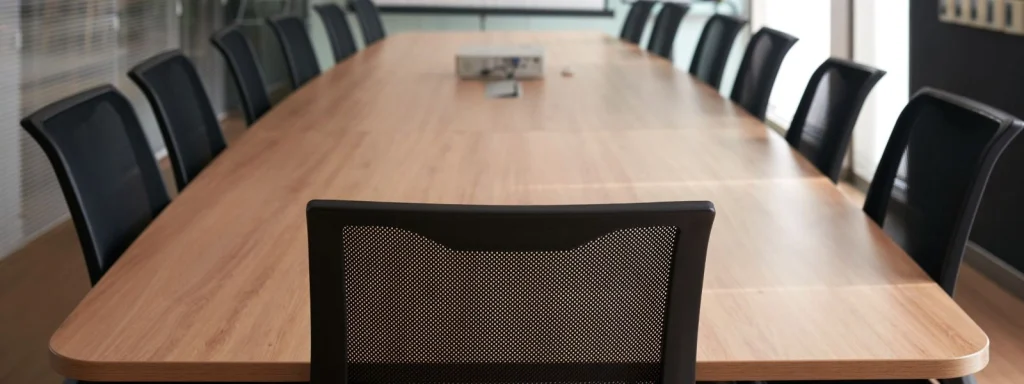
The boardroom layout is the most traditional conference room setup. A large rectangular table sits in the center with chairs placed around it. This design works well for executive meetings, client presentations, and formal discussions because it creates a structured and professional environment.
U-Shaped Layout
In a U-shaped setup, tables are arranged in the shape of a “U,” leaving an open area in the middle. This layout is often used for presentations or training sessions because participants can easily see the speaker while still interacting with each other.
Auditorium Style
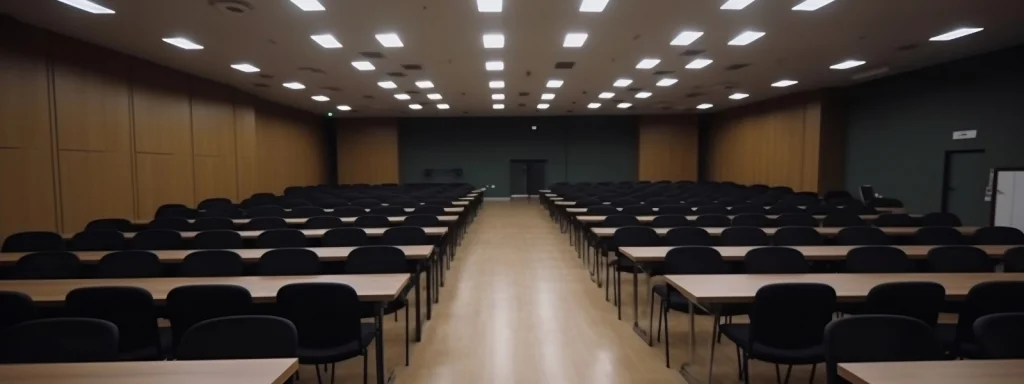
Auditorium layouts use rows of chairs facing one direction. This setup is best for large presentations, seminars, or company announcements where audience attention is focused on a speaker or screen.
Classroom Style
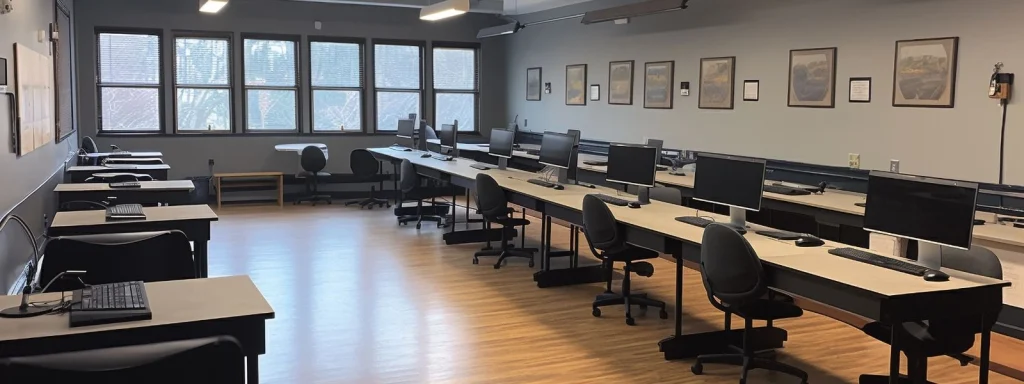
Classroom-style meeting rooms include rows of tables and chairs facing the front of the room. This arrangement is ideal for workshops, training sessions, and educational presentations where note-taking is required.
Banquet Style
Banquet layouts use smaller round tables spread across the room. This setup encourages group discussions and networking, making it suitable for corporate events or team-building activities.
Layout and Room Size Tips
The size of the conference room should always guide the size and placement of the table. A table that is too large can make the room feel cramped, while a table that is too small may not provide enough working space.
Leave enough room for chairs to move comfortably and for people to walk around the table without difficulty. Good spacing improves comfort, safety, and the overall meeting experience.
It is also important to think about how many people regularly use the room. Planning for realistic daily use helps prevent overcrowding and supports better communication during meetings.
Round Table vs. Rectangular Table
The shape of a conference table affects both the appearance of the room and the way people interact.
1. Round Table
Round conference tables create a more equal and collaborative atmosphere because everyone faces each other directly. This setup encourages conversation and teamwork, making it ideal for smaller meetings, brainstorming sessions, or creative discussions.
Benefits of round tables include:
- Better eye contact between participants
- More relaxed and collaborative discussions
- Efficient use of smaller meeting spaces
2. Rectangular Table
Rectangular tables are more formal and are commonly used in executive boardrooms. They work well in larger meeting rooms and can accommodate more participants comfortably.
Benefits of rectangular tables include:
- Strong professional appearance
- Better for structured discussions
- Suitable for larger groups and presentations
Fixed-Top vs. Flip-Top Meeting Tables
Conference tables also differ in flexibility and mobility.
1. Fixed-Top Tables
Fixed-top tables are permanent and highly stable. They are designed for meeting rooms where the layout rarely changes. These tables often create a more premium and professional appearance.
Benefits include:
- Strong and durable structure
- Clean and executive look
- Ideal for long-term meeting spaces
2. Flip-Top Tables
Flip-top tables are designed for flexibility. Their tops can fold vertically, making them easier to store or move when the room layout changes.
Benefits include:
- Easy storage
- Flexible room arrangements
- Suitable for multi-purpose spaces
Modular vs. Monolithic Tables
The design structure of a conference table also affects functionality and flexibility.
1. Modular Tables
Modular tables are made from separate sections that can be rearranged into different layouts. This flexibility makes them ideal for growing businesses or collaborative offices.
Benefits include:
- Flexible configurations
- Easy expansion
- Supports changing meeting needs
2. Monolithic Tables
Monolithic tables are single-piece tables that create a bold and seamless appearance. They are often used in executive boardrooms where style and visual impact are important.
Benefits include:
- Premium appearance
- Strong visual presence
- Suitable for formal meeting environments
Open vs. Closed Layouts
Modern offices now use both open and closed meeting spaces depending on how teams work.
1. Open Layout
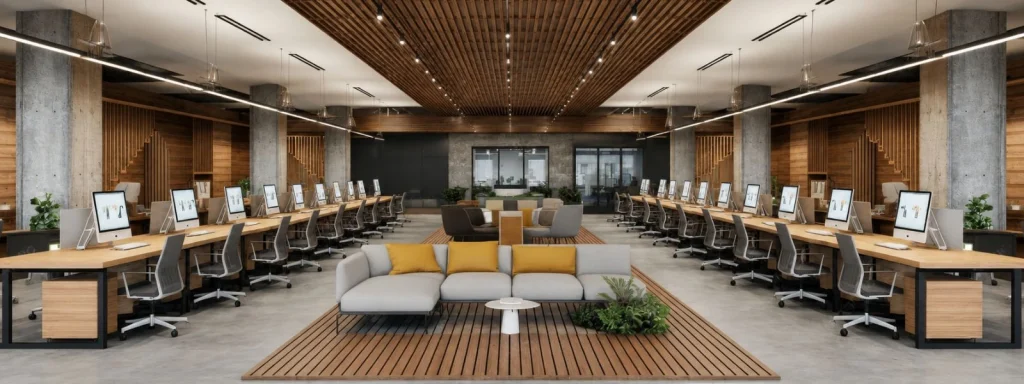
Open meeting spaces create a more casual and collaborative atmosphere. These areas often connect directly with shared workspaces and encourage spontaneous discussions.
Benefits include:
- Encourages teamwork
- Creates a modern office feel
- Supports collaboration and communication
2. Closed Layout
Closed meeting rooms provide privacy and reduce distractions. They are ideal for confidential discussions, focused meetings, or client presentations.
Benefits include:
- Better sound control
- Increased privacy
- Improved concentration during meetings
Conclusion
Choosing the perfect conference table involves more than selecting a design you like. The right table should support the goals of the meeting room, fit the available space, and improve the way people work together.
By considering room size, layout style, table shape, and flexibility, businesses can create meeting spaces that are functional, comfortable, and professional.
Studio Office provides conference tables, meeting room furniture, and workspace solutions for businesses across Cyprus.
Visit our showrooms in Nicosia, Limassol, and Larnaca to explore modern meeting tables, ergonomic seating, and collaborative office furniture designed for productive workspaces.
Key Takeaways
- Match the conference table size to the room dimensions
- Choose layouts based on meeting goals and team needs
- Round tables encourage collaboration and open discussion
- Rectangular tables support formal meetings and larger groups
- Modular and flip-top tables offer flexibility for changing spaces
- Open layouts encourage teamwork, while closed layouts improve privacy