Modern offices are designed for teamwork, communication, and flexibility. But when too many people work in the same space, noise can quickly become a problem.
Phone calls, meetings, conversations, printers, footsteps, and general office activity can make it harder to focus. This is especially common in open-plan offices.
The good news is that you do not always need major building work to improve office acoustics. The right furniture, partitions, panels, and workspace layout can help manage noise while keeping the office open and flexible.
In 2026, good office design is about more than how a workspace looks. It is also about how it sounds, feels, and supports the people using it.
Τι περιλαμβάνεται σε αυτό το άρθρο
- Why office acoustics matter
- Common sources of workplace noise
- The best office acoustic solutions
- How furniture can help reduce noise
- Ways to create quiet work areas
- How to balance collaboration and noise control
- Tips for choosing acoustic solutions
- Frequently asked questions
Why Office Acoustics Matter in 2026
Noise is one of the most common distractions in a busy workplace. Even small sounds can interrupt concentration when they happen throughout the day.
Employees may find it difficult to focus when they can hear nearby conversations, phone calls, or meetings. This can affect how easily they complete tasks and communicate with colleagues.
Good office acoustics help create a better balance between quiet areas and collaborative spaces.
The goal is not to make an office completely silent. Instead, the aim is to control unwanted noise and make different areas suitable for different activities.
A well-designed office can include quiet spaces for focused work, enclosed areas for calls, and open zones for teamwork.
Common Sources of Noise in Modern Offices
Before choosing an acoustic solution, it helps to understand where the noise is coming from.
Open-Plan Office Noise
Open-plan offices encourage communication and make it easier for teams to work together. However, sound can travel easily across large open areas. Conversations from one workstation can become a distraction for someone working several desks away.
Conversations and Meetings
People naturally talk throughout the workday. Team discussions, client meetings, informal conversations, and phone calls can all increase noise levels. Meeting rooms and acoustic areas can help keep conversations contained.
Technology and Office Equipment
Printers, scanners, kitchen appliances, computers, and other equipment can also contribute to workplace noise. Placing noisy equipment away from quiet work areas can make a noticeable difference.
Foot Traffic and Shared Areas
Reception areas, corridors, kitchens, and break rooms are often busy throughout the day. If these areas are located next to workstations, noise can easily travel into focused work zones.
The Best Office Acoustic Solutions for Noise Reduction
There is no single solution that works for every office. The best approach often combines several acoustic products and design features.
Acoustic Office Partitions
Acoustic partitions can divide large open spaces while helping reduce the movement of sound. They can be used between desks, around meeting areas, or to create smaller work zones.
Unlike permanent walls, many modern partition systems can be moved or reconfigured when the office layout changes.
Acoustic Panels
Acoustic panels are designed to absorb sound and reduce echoes within a room. They can be installed on walls or ceilings and are available in different colours, shapes, and finishes. This means they can become part of the office design rather than looking like an added feature.
Acoustic Work Pods
Work pods create enclosed or semi-enclosed areas for focused work, phone calls, and online meetings. They are particularly useful in open-plan offices where employees need privacy without building permanent rooms. A pod can give one person or a small group a quieter place to work while the main office remains open.
Sound-Absorbing Office Furniture
Furniture can also contribute to better office acoustics. High-back seating, upholstered furniture, acoustic screens, and soft finishes can help absorb or block some sound. This is especially useful when creating informal meeting areas or collaborative zones.
Acoustic Ceilings and Wall Solutions
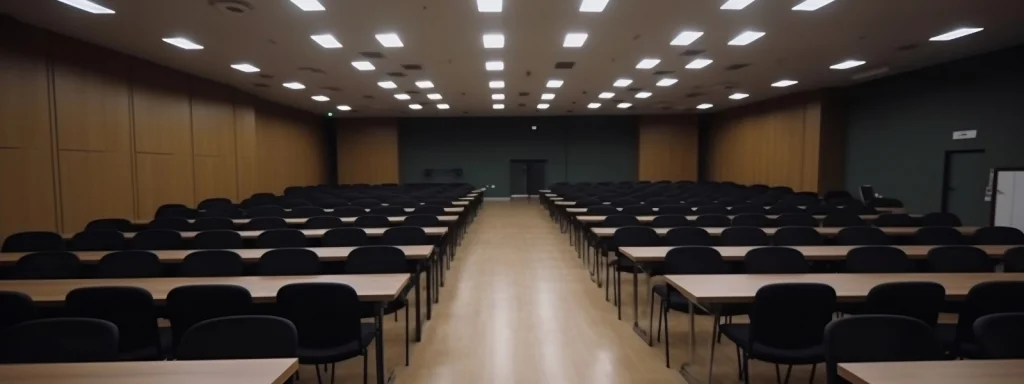
Large offices with hard floors, walls, and ceilings can create echoes. Acoustic ceiling systems and wall treatments can help absorb sound and improve the overall feel of the room. These solutions can be especially useful in large meeting rooms, training areas, and open-plan workplaces.
How Office Furniture Can Improve Acoustics
Office furniture should not be viewed only as something functional. It can also help shape the sound environment.
High-Back Office Seating
High-back chairs and sofas can create a degree of separation between users. They work well in informal meeting areas, breakout spaces, and lounge zones where people may need to talk without disturbing nearby workers.
Acoustic Screens and Desk Dividers
Desk screens can create a visual boundary between workstations while also helping reduce the direct spread of sound. They are useful when employees share large open-plan work areas.
Soft Seating and Lounge Areas
Soft furniture can help absorb sound better than many hard surfaces. Sofas, upholstered chairs, and fabric-covered furniture can also make breakout areas feel more comfortable and welcoming. The key is to combine these elements with good space planning rather than relying on furniture alone.
Create Quiet Zones for Focused Work
Not every task requires the same environment. Employees working on reports, analysing information, writing, or handling complex tasks may need a quieter area than employees involved in team discussions. Creating dedicated quiet zones gives employees more choice over where they work.
Private Work Areas
Small focus rooms or enclosed workstations can provide a quieter environment for tasks that require concentration. These spaces do not need to be large. Even a small room with suitable acoustic treatment can provide valuable privacy.
Phone and Video Call Booths
Video calls have become a normal part of modern work. Taking calls at an open desk can create noise for others. Phone booths and acoustic meeting pods give employees a dedicated place for calls and online meetings. They can also improve privacy when discussing sensitive business information.
Quiet Meeting Spaces
Not every meeting needs a large boardroom. Small acoustic meeting areas can be used for one-to-one discussions, interviews, team catch-ups, and online meetings.
This helps prevent small meetings from taking over larger rooms while keeping conversations away from focused work areas.
Design Collaborative Areas Without Increasing Noise
A productive office still needs collaboration. The answer is not to remove conversations from the workplace. Instead, collaborative areas should be planned carefully.
Place meeting tables, breakout seating, and informal work areas away from quiet zones where possible. Acoustic partitions can also help create a boundary between collaboration and focused work.
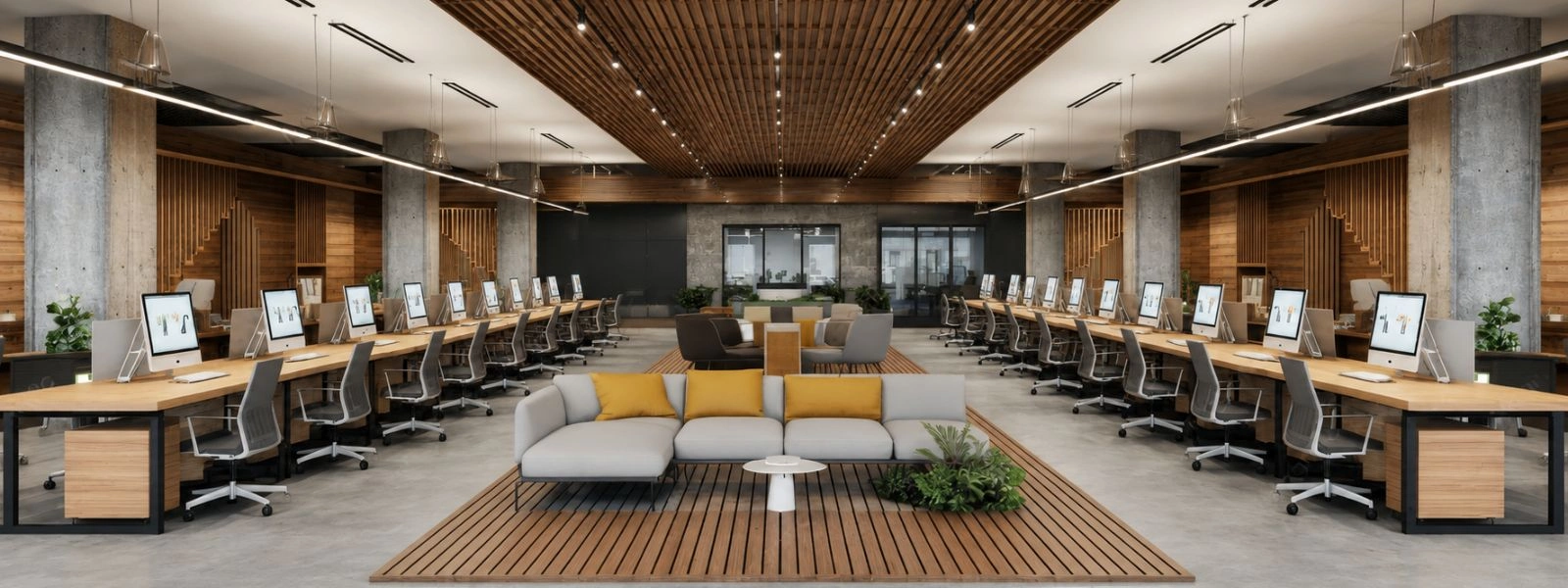
For example, an open office could include:
- Quiet workstations on one side
- Acoustic pods nearby for private calls
- A central collaboration area
- Meeting rooms positioned away from focused work areas
- Lounge seating for informal discussions
This creates different acoustic zones without making the office feel closed.
How Office Acoustic Solutions Improve Workplace Productivity
Good acoustics can contribute to a better working environment in several ways.
Better Concentration
Reducing unwanted background noise can make it easier for employees to focus on tasks that require attention. A quieter environment can be especially useful for employees who spend long periods working on computers or handling detailed information.
Improved Communication
Poor acoustics can make meetings and conversations harder to follow. Acoustic treatment can help create clearer communication by reducing echoes and controlling background noise.
Less Workplace Distraction
A conversation happening several desks away can become distracting even when it has nothing to do with your work. Acoustic zones and partitions can help reduce these interruptions.
Greater Employee Comfort
An office that is constantly noisy can feel stressful and tiring. Creating a better balance between active and quiet areas can make the workplace feel more comfortable throughout the day.
How to Choose the Right Acoustic Solution for Your Office
Every office has different acoustic needs. Before purchasing products, consider how your workplace is currently used.
Assess Your Noise Problems
Identify where the most noise comes from.
Is the main issue:
- Open-plan conversations?
- Meeting rooms?
- Phone calls?
- Foot traffic?
- Equipment?
- Echoes?
Understanding the source helps you choose a more suitable solution.
Consider Your Office Layout
Look at where employees work, where meetings take place, and where people move throughout the day. You may not need acoustic treatment everywhere. Focus on areas where noise has the biggest impact.
Choose the Right Materials
Hard surfaces can reflect sound, while many soft and specially designed acoustic materials can absorb it. A combination of materials can help create a more balanced environment.
Combine Different Acoustic Solutions
The best results often come from using several solutions together.
For example, an office might combine:
- Acoustic desk screens
- Wall panels
- Meeting pods
- Upholstered seating
- Movable partitions
- Quiet work areas
This creates a more complete acoustic strategy rather than relying on one product.
Συχνές ερωτήσεις
What is the best way to reduce noise in an open-plan office?
Start by identifying the main sources of noise. Then consider acoustic desk screens, partitions, work pods, wall panels, and better space planning. Creating separate quiet and collaborative zones can also help.
Do acoustic panels really reduce office noise?
Acoustic panels can help absorb sound and reduce echoes within a space. Their effectiveness depends on the type, placement, room size, and overall acoustic design.
Are acoustic office partitions better than traditional partitions?
It depends on the purpose of the space. Acoustic partitions can provide sound control while maintaining flexibility. They are useful for businesses that may need to change their office layout in the future.
How can I make a small office quieter?
Start with simple changes. Use acoustic panels, soft furniture, desk screens, rugs where suitable, and good space planning. Creating a small enclosed area for calls can also help reduce noise.
How much acoustic treatment does an office need?
There is no standard amount for every office. The right level depends on the room size, materials, layout, number of people, and type of work being carried out.
Συμπέρασμα
Office acoustics are becoming an important part of workplace design in 2026. As businesses use more open layouts, shared workspaces, and hybrid working models, controlling noise can help create a more comfortable and productive environment.
The right office acoustic solutions do not have to make a workplace feel closed or restrictive. Acoustic partitions, work pods, panels, desk screens, and sound-absorbing furniture can be used to create different zones while keeping the office flexible.
The best approach is to understand how your employees use the space and then choose solutions that support both collaboration and focused work.
A well-designed office should not only look good. It should sound good, too.
Looking for office acoustic solutions in Cyprus?
Studio Office offers workplace furniture and space-planning solutions designed to support modern offices, including acoustic furniture, partitions, seating, workstations, meeting solutions, and flexible workspace systems.
Visit our Studio Office showrooms in Nicosia, Limassol, or Larnaca to explore solutions for your workplace and discuss your office requirements with our team.
Create a workspace where your employees can focus, collaborate, communicate, and work comfortably.
Βασικά συμπεράσματα
- Office noise can affect concentration, communication, and workplace comfort.
- Acoustic solutions help control unwanted sound without removing collaboration.
- Acoustic partitions and desk screens are useful for open-plan offices.
- Work pods provide quieter areas for calls and focused work.
- Soft furniture and acoustic panels can help absorb sound.
- Good office planning should separate noisy and quiet activities.
- Combining several acoustic solutions often provides better results.
- The right acoustic design can create a more comfortable and productive workplace.