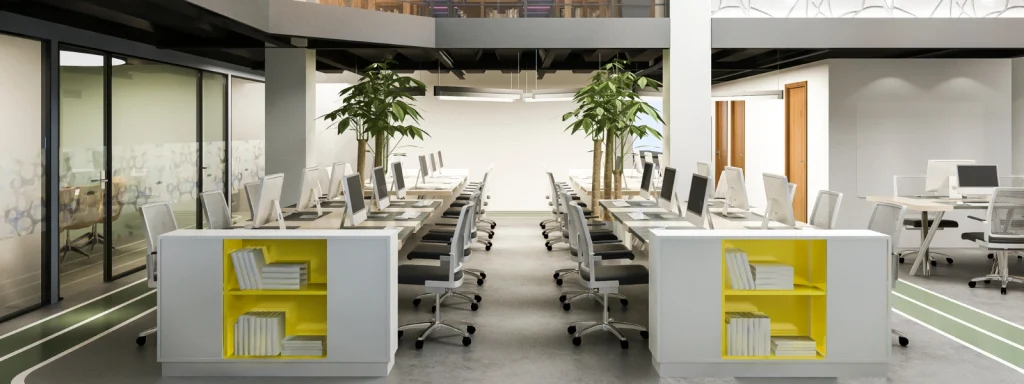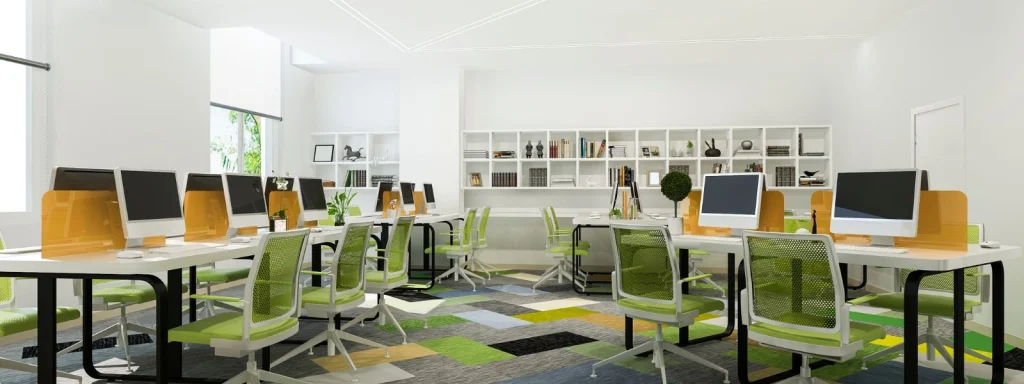
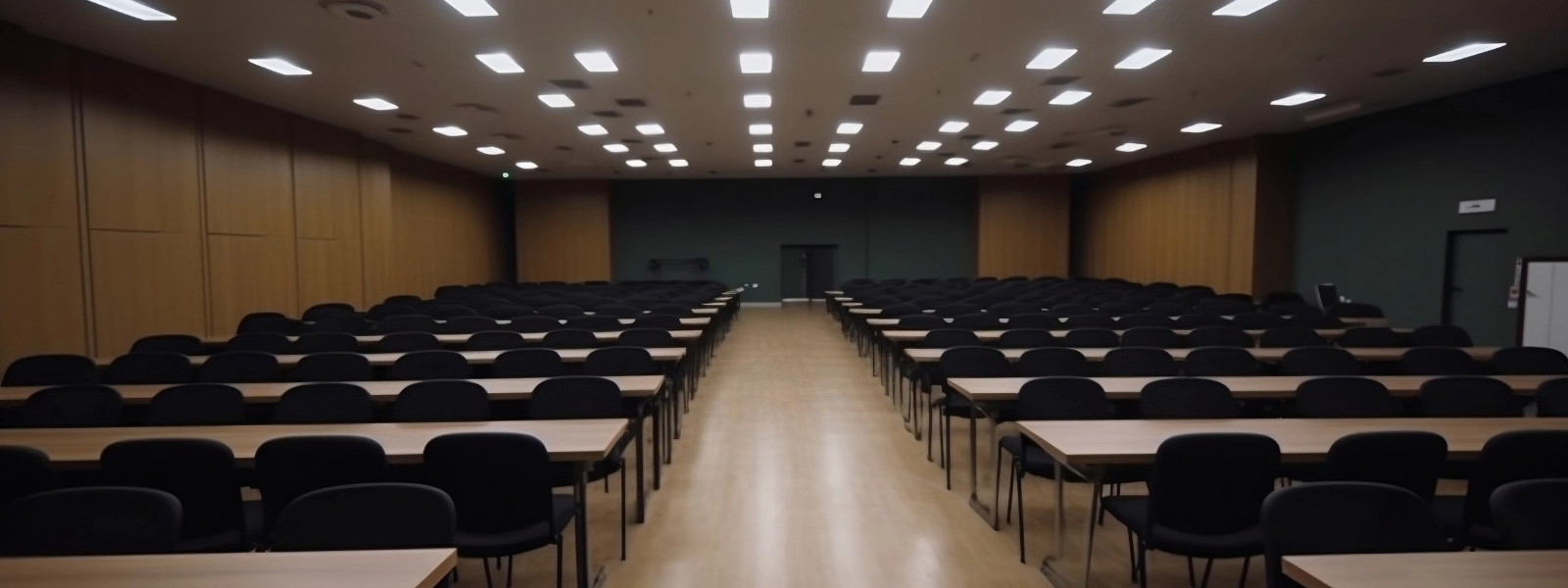
Creating a well-designed lecture room goes beyond arranging desks and chairs. The right furniture plays an important role in supporting student comfort, improving concentration, and making lessons more engaging. Whether you’re furnishing a university lecture hall, a school classroom, or a training facility, investing in suitable furniture can significantly improve the overall learning experience.
Modern educational spaces have evolved to accommodate different teaching styles. From traditional lectures to collaborative group discussions, a lecture room should be flexible enough to support various learning activities while remaining comfortable for students and educators alike.
Choosing the right furniture also contributes to better organisation, easier classroom management, and efficient use of available space. By understanding what to look for, schools can create learning environments that remain functional and welcoming for years to come.
Τι περιλαμβάνεται σε αυτό το άρθρο
- Why lecture room furniture matters
- Key factors to consider before buying furniture
- How comfort improves learning outcomes
- Choosing durable and easy-to-maintain materials
- Planning an efficient lecture room layout
- Creating flexible learning environments
- Common mistakes to avoid
- Why quality furniture is a worthwhile investment
Why Lecture Room Furniture Matters
A lecture room is more than just a place where lessons take place. It is an environment that directly influences how students learn, interact, and retain information. Furniture serves as the foundation of that environment, affecting everything from posture to classroom organisation.
Poorly designed furniture can quickly become a distraction. Chairs that lack proper support or desks that offer insufficient workspace may reduce concentration and cause discomfort during extended lectures. On the other hand, ergonomic furniture helps students remain comfortable and engaged throughout the day.
For educators, practical furniture makes it easier to manage classrooms, organise teaching materials, and adapt lessons to different learning styles. When furniture complements teaching methods, the classroom becomes more efficient and enjoyable for everyone.
Consider the Purpose of the Lecture Room
Before selecting furniture, it’s important to understand how the lecture room will be used. Different educational settings have different requirements, and choosing furniture that matches those needs ensures better long-term value.
Ask yourself questions such as:
- Will the room mainly host lectures?
- Will students work together in groups?
- Is the space used for presentations and seminars?
- Will technology be integrated into lessons?
- Does the room need to accommodate different class sizes?
Answering these questions helps determine the most suitable furniture, layout, and storage solutions.
For example, university lecture theatres often require tiered seating with writing tablets, while school classrooms benefit from flexible desks that can easily be rearranged for collaborative learning.
Prioritise Student Comfort
Comfort should always be one of the highest priorities when selecting furniture for a lecture room. Students who spend several hours sitting each day benefit greatly from furniture designed with ergonomics in mind.
Features worth considering include:
- Ergonomically shaped chairs
- Proper lumbar support
- Comfortable seat depth
- Appropriate desk height
- Stable construction
- Adequate legroom
Comfortable seating helps reduce fatigue and allows students to focus on lessons rather than physical discomfort.
Teachers also benefit from ergonomic furniture. Adjustable chairs, functional desks, and well-organised teaching stations contribute to better productivity throughout the school day.
Choose Durable Furniture for Everyday Use
Educational furniture experiences heavy daily use. Students move chairs frequently, desks are used continuously, and classrooms often accommodate multiple groups throughout the day. Choosing durable materials helps schools reduce replacement costs and maintain an attractive learning environment.
When evaluating furniture, consider materials that offer:
- Scratch resistance
- Easy cleaning
- Moisture resistance
- Strong metal frames
- High-quality laminate surfaces
- Long-lasting upholstery where applicable
Quality furniture may require a larger initial investment, but it often delivers significant savings through reduced maintenance and longer product life.
Schools should also look for furniture designed specifically for educational environments, as these products are built to withstand frequent use while meeting safety standards.
Select the Right Desks for Different Learning Styles
Not every classroom functions the same way. Today’s educational environments support a variety of teaching methods, making desk selection an important part of planning a successful lecture room.
Traditional rectangular desks remain a popular choice because they are easy to arrange and maximise classroom capacity. However, modular desks provide greater flexibility, allowing educators to quickly transition between lectures, group discussions, and collaborative activities.
Some schools may also benefit from desks with integrated storage or cable management features, especially in technology-enabled classrooms where students regularly use laptops or tablets.
The right desk should provide sufficient workspace while allowing students to remain comfortable throughout each lesson.
Plan an Efficient Lecture Room Layout
The layout of a lecture room has a significant impact on how students interact with teachers and classmates. A well-planned arrangement improves visibility, encourages participation, and allows everyone to move comfortably throughout the space.
Before arranging furniture, consider:
- The size and shape of the room
- The number of students using the space
- Locations of doors, windows, and presentation equipment
- Accessibility requirements
- Walkways for safe movement
For traditional lectures, rows of desks facing the front provide clear sightlines and minimise distractions. In classrooms where collaboration is encouraged, grouped desks or U-shaped layouts make it easier for students to communicate and participate in discussions.
It’s also important to leave enough space between desks so students and teachers can move around comfortably without disrupting lessons.
Choose Flexible Furniture for Modern Learning
Teaching methods continue to evolve, and today’s educational spaces need furniture that can adapt just as easily. Flexible furniture allows schools to transform a lecture room for different activities without requiring major changes to the space.
Some practical options include:
- Mobile desks with lockable castors
- Lightweight stacking chairs
- Folding tables for multipurpose rooms
- Modular desks that can be rearranged quickly
- Mobile teacher workstations
This flexibility allows educators to switch between lectures, workshops, group projects, and presentations with minimal effort.
Future-ready furniture also helps schools maximise the use of each classroom, making it easier to accommodate changing educational needs.
Don’t Overlook Storage Solutions
A tidy lecture room supports better organisation and creates a more focused learning environment. Without adequate storage, books, teaching materials, and equipment can quickly create clutter that distracts both students and teachers.
Useful storage solutions include:
- Lockable storage cabinets
- Mobile storage units
- Shelving for educational resources
- Teacher storage cupboards
- Equipment cabinets for technology and teaching tools
Keeping supplies organised allows educators to spend less time searching for materials and more time focusing on teaching.
Storage also helps protect valuable equipment, extending its lifespan and reducing replacement costs.
Consider Accessibility and Inclusive Design
An effective lecture room should be welcoming and accessible to everyone. Inclusive furniture and thoughtful layouts ensure that students with different abilities can participate comfortably and confidently.
Schools should consider features such as:
- Wider walkways for wheelchair access
- Adjustable-height desks
- Ergonomic seating options
- Clear access to teaching areas
- Flexible seating arrangements
Inclusive classroom design benefits all learners by creating an environment where every student has equal opportunities to engage with lessons.
Planning for accessibility from the beginning also helps schools comply with building standards and future educational requirements.
Invest in Furniture That Supports Technology
Technology has become an essential part of modern education. From interactive whiteboards to student laptops and tablets, today’s classrooms rely on furniture that supports digital learning.
When selecting furniture for a lecture room, consider options that include:
- Συστήματα διαχείρισης καλωδίων
- Charging access for devices
- Teacher desks with technology integration
- Media presentation tables
- Furniture designed to work alongside audiovisual equipment
These features help keep classrooms organised while reducing cable clutter and improving safety.
Technology-friendly furniture also makes it easier for educators to deliver engaging lessons using digital resources.
Common Mistakes to Avoid
Selecting furniture for a lecture room is a long-term investment. Avoiding common mistakes helps schools achieve better value and create more effective learning spaces.
Some of the most common mistakes include:
Choosing Price Over Quality
Budget is important, but low-cost furniture may wear out quickly and require frequent replacement. Investing in durable products often reduces long-term costs.
Ignoring Ergonomics
Comfort directly affects concentration. Chairs and desks should support healthy posture for students and teachers alike.
Poor Space Planning
Overcrowding a classroom limits movement and makes it difficult for students to stay engaged.
Forgetting Future Flexibility
Teaching methods evolve over time. Modular and movable furniture provides greater adaptability as educational needs change.
Overlooking Maintenance
Furniture should be easy to clean and maintain, especially in classrooms that experience heavy daily use.
Why Quality Lecture Room Furniture Is a Smart Investment
High-quality lecture room furniture offers benefits that extend well beyond appearance. Durable desks, ergonomic chairs, and flexible layouts contribute to a better educational experience while reducing maintenance and replacement costs.
Schools that invest in well-designed furniture often enjoy:
- Improved student comfort
- Better classroom organisation
- Increased teacher productivity
- Longer furniture lifespan
- Reduced maintenance expenses
- Greater flexibility for different teaching methods
- A more professional learning environment
Rather than viewing furniture as a one-time purchase, schools should see it as an investment in both education and long-term operational efficiency.
Συχνές ερωτήσεις
What furniture is essential for a lecture room?
Most lecture rooms require comfortable chairs, durable desks, teacher workstations, storage cabinets, and presentation furniture. The exact furniture needed depends on the size of the room and the teaching methods used.
How should a lecture room be arranged?
The ideal layout depends on the purpose of the space. Rows work well for traditional lectures, while grouped desks encourage collaboration and interactive learning.
Why is ergonomic furniture important?
Ergonomic furniture helps reduce discomfort, supports good posture, and allows students and teachers to remain comfortable during extended lessons.
How long should lecture room furniture last?
High-quality educational furniture can last many years when properly maintained. Choosing durable materials reduces the need for frequent replacements.
Should schools choose modular furniture?
Yes. Modular furniture provides greater flexibility, allowing classrooms to adapt easily to different teaching styles, events, and student activities.
Create Better Learning Spaces with Takis
Choosing the right furniture is one of the most effective ways to create a comfortable, organised, and engaging lecture room. From ergonomic seating to flexible desks and smart storage solutions, every piece of furniture contributes to a better learning experience for students and educators alike.
At Takis Studio Office, we provide high-quality educational furniture designed to meet the needs of schools, colleges, universities, and training centres. Our wide range of desks, chairs, storage solutions, and collaborative furniture helps create modern learning environments that are built for comfort, durability, and long-term performance.
Whether you’re furnishing a new classroom or upgrading an existing lecture room, our team can help you find solutions tailored to your educational space.
Βασικά συμπεράσματα
- Comfortable furniture helps students stay focused during longer lessons.
- A well-planned lecture room improves movement, visibility, and communication.
- Durable furniture reduces maintenance costs over time.
- Flexible layouts support modern teaching methods and collaborative learning.
- Investing in quality educational furniture creates a better experience for both students and teachers.