Designing a theater goes far beyond simply arranging seats in front of a stage. Every element—from seating layout and lighting to acoustics and accessibility—plays a critical role in shaping the audience’s overall experience.
A poorly designed theater can lead to discomfort, blocked views, poor sound quality, and ultimately a less engaging performance. Even small design mistakes can significantly impact how audiences perceive and enjoy a show.
The good news is that most of these issues can be avoided—or corrected—with proper planning, thoughtful design, and the right furniture solutions.
What’s Included in This Article
In this guide, you’ll learn:
- The most common theater design mistakes
- How poor layout and planning affect audience experience
- Practical solutions to fix design issues
- Expert tips for improving seating, acoustics, and visibility
Why Theater Design Matters
The success of any performance space depends not only on the performers but also on how the environment supports the experience. A well-designed theater ensures that every guest can:
- Clearly see the stage
- Hear sound evenly and without distortion
- Sit comfortably for extended periods
- Move safely and efficiently within the space
When these elements are aligned, audiences remain engaged, performances feel more immersive, and venues build a stronger reputation.
Common Theater Design Mistakes (And How to Fix Them)
Poor Seating Layout
Mistake:
Seats are often arranged in flat rows without proper alignment or elevation. This can result in obstructed views, especially for audience members seated further back.
Why It Matters:
If viewers cannot clearly see the stage, their experience becomes frustrating and disengaging. Sightline issues are one of the most common complaints in poorly designed theaters.
Fix:
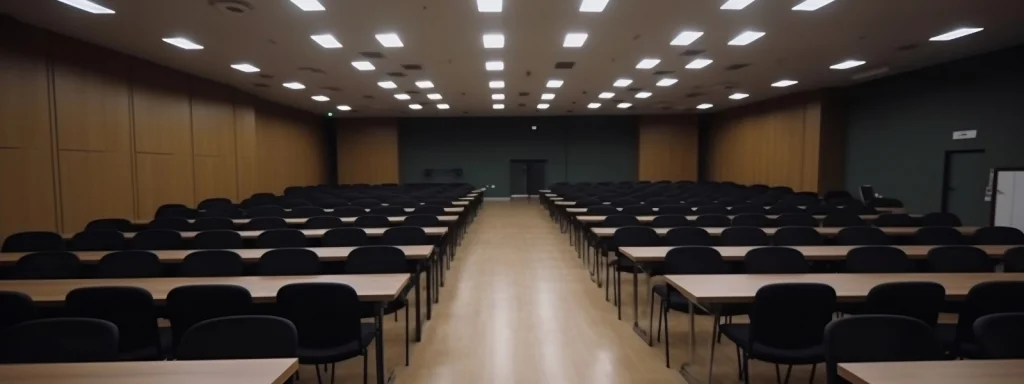
Implement tiered or raked seating to elevate rows progressively. Additionally, consider staggered seating arrangements so that each seat is positioned between the seats in front of it rather than directly behind them. This significantly improves visibility for all attendees.
Limited Legroom
Mistake:
Rows are placed too close together, leaving minimal space for leg movement. This is especially problematic during long performances.
Why It Matters:
Uncomfortable seating leads to distracted audiences. Guests may shift frequently, feel cramped, or even leave early, which negatively impacts the overall experience.
Fix:
Invest in ergonomic theater seating designed for comfort and durability. Ensure sufficient spacing between rows to allow for easy movement without disturbing others. Comfortable seating not only improves satisfaction but also encourages repeat visits.
Incorrect Screen or Stage Size and Placement
Mistake:
The stage or screen is either too small, too large, or improperly positioned relative to the seating area.
Why It Matters:
An incorrectly sized or positioned stage can strain viewers’ eyes and reduce immersion. If the screen is too high or too low, it forces awkward viewing angles.
Fix:
Design the stage or screen based on the size and layout of the venue. Ensure proper height, width, and distance from the audience. The goal is to create a natural viewing angle for all seats, minimizing neck strain and maximizing visibility.
Inadequate Lighting Control
Mistake:
Lighting systems are often too basic or poorly planned, resulting in glare, uneven brightness, or insufficient control during performances.
Why It Matters:
Lighting directly affects visibility, mood, and focus. Poor lighting can distract the audience or make it difficult to see the stage clearly.
Fix:
Install adjustable lighting systems that allow for precise control. Use dimmable lights and separate controls for stage and audience areas. This ensures optimal lighting conditions for different types of performances.
Bad Sightlines
Mistake:
Some seats have obstructed or partial views of the stage due to poor layout or structural elements.
Why It Matters:
Obstructed sightlines significantly reduce the value of certain seats and create an inconsistent experience across the audience.
Fix:
Carefully plan seating angles and elevations. Use design tools or simulations to test sightlines before finalizing the layout. Angled seating and tiered flooring can dramatically improve visibility for every seat.
Weak Acoustics
Mistake:
Sound does not travel evenly, resulting in echoes, dead zones, or unclear audio.
Why It Matters:
Even the best performances lose impact if the audience cannot hear clearly. Poor acoustics can make dialogue difficult to understand and music less enjoyable.
Fix:
Incorporate acoustic treatments such as wall panels, ceiling baffles, and sound-absorbing materials. The shape and materials of the room should be designed to enhance sound distribution and clarity.
Poor Lighting Design
Mistake:
Lighting is either too harsh, too dim, or not properly layered for different uses.
Why It Matters:
Lighting influences both functionality and atmosphere. Poor lighting can strain the eyes and reduce the overall ambiance of the theater.
Fix:
Use layered lighting design:
- Stage lighting for performances
- Ambient lighting for audience comfort
- Accent lighting for aesthetics and navigation
This combination creates a balanced and visually appealing environment.
Lack of Accessibility
Mistake:
The theater does not adequately accommodate individuals with mobility challenges or special needs.
Why It Matters:
Accessibility is not only a legal requirement in many areas but also essential for inclusivity. A lack of accessible features limits who can enjoy the space.
Fix:
Incorporate:
- Wheelchair-accessible seating
- Ramps and elevators
- Clearly marked pathways
- Accessible restrooms
Designing with inclusivity in mind ensures a better experience for all guests.
Cluttered or Inefficient Layout
Mistake:
Overcrowded spaces, poorly placed furniture, and blocked walkways create confusion and safety hazards.
Why It Matters:
A cluttered layout disrupts movement, slows down entry and exit, and can pose risks during emergencies.
Fix:
Keep layouts clean and organized. Ensure that:
- Walkways are wide and unobstructed
- Entry and exit points are clearly defined
- Furniture placement supports smooth traffic flow
A simple and functional layout improves both safety and user experience.
Additional Tips for Better Theater Design
Beyond avoiding common mistakes, there are several best practices that can further enhance a theater space:
- Plan for future upgrades and technology integration
- Use durable, high-quality materials for long-term use
- Consider acoustics and lighting early in the design phase
- Test layouts using 3D visualization or mock setups
Taking a proactive approach ensures a more efficient and successful design process.
Conclusion
A well-designed theater is essential for delivering a memorable and immersive experience. From seating layout and acoustics to lighting and accessibility, every detail contributes to how audiences interact with the space.
By avoiding common theater design mistakes and implementing practical solutions, you can create an environment that enhances both performance quality and audience satisfaction.
Thoughtful planning, combined with the right furniture and layout strategies, ensures that your theater not only looks great but functions effectively for years to come.
Ready to Improve Your Theater Design?
Studio Office offers premium seating and furniture solutions for theaters, auditoriums, and performance spaces across Cyprus.
Visit our showrooms in Nicosia, Limassol, and Larnaca to explore high-quality seating, smart layout solutions, and expert guidance for your next project.
Let’s create a theater space that delivers an exceptional experience for every audience.
Key Takeaway
- Proper seating layout improves visibility and comfort
- Adequate spacing enhances audience experience
- Strong acoustics are essential for clear sound
- Layered lighting creates better atmosphere and function
- Simple, organized layouts improve safety and movement